Imagine the objects moving over it
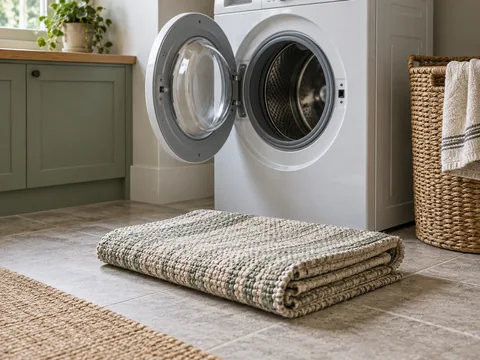
A deep pile can look inviting in a photograph, but the room may contain dining chairs, a wheeled desk chair or a door with limited clearance. Start with those movements. The rug's surface has to accommodate them as well as feel pleasant underfoot.
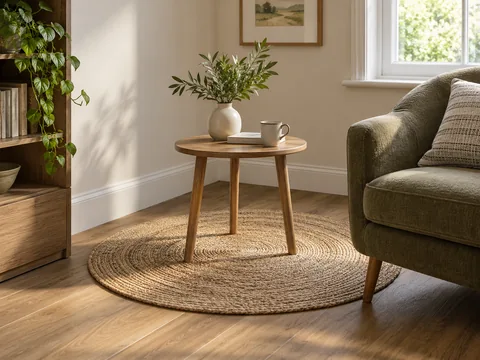
A lower, flatter construction may suit a place where chairs move frequently. A deeper surface may be more appealing in a quiet sitting area. These are starting points, not guarantees: the actual rug, underlay and furniture feet determine how the combination behaves.
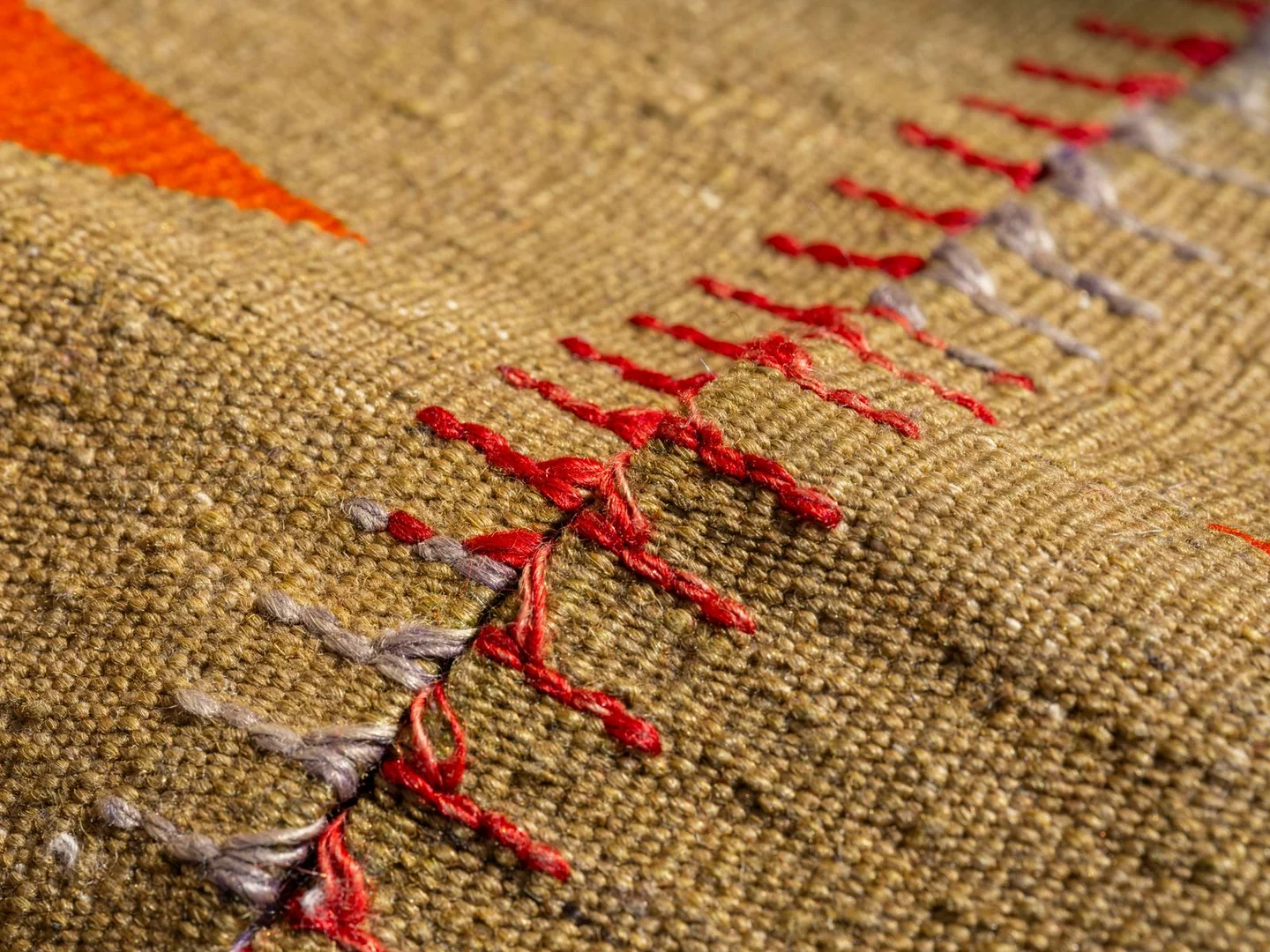
Ask for a sample or see the rug in person when texture is central to the purchase. A close-up photograph can show fibres without telling you how firmly they stand or how the surface feels beneath a foot.
Check furniture stability and clearance
Place furniture so its support is stable, particularly where some legs might sit on the rug and others off it. A thick rug can create a more noticeable height difference than a thin one. Follow the furniture's requirements and adjust the arrangement rather than accepting a wobble.
Measure the complete thickness with any required pad near opening doors. The edge binding may be thicker than the central pile. Do not rely on the door compressing the fibres as it passes.
In a room used for floor play or stretching, consider the feel of the actual surface and the way it will be cleaned. A decorative rug should not be assumed to perform like a purpose-made exercise mat.
Read the maintenance detail
Different constructions have different vacuuming and cleaning instructions. Check which attachments or settings the maker recommends. A tool that is suitable for one rug may pull or disturb another surface.
Think about small debris, pet hair and the way the room is used. A texture that looks calm in an unused corner may ask for more regular attention in the main route through the house. Avoid broad promises that any one pile type is effortless or suitable for every pet.
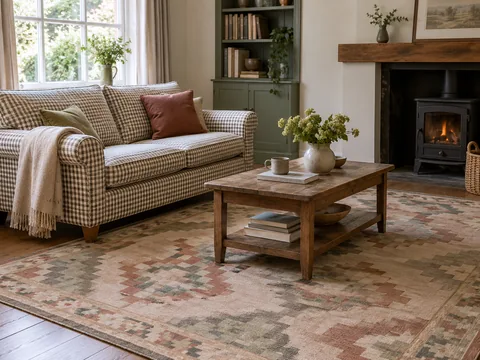
Finally, look at the texture beside the sofa and curtains. A rug can add visual variety without another strong pattern. Choose the pile that works with the room's movement and care routine, then let its appearance support the larger scheme.