Curtains & textiles
Where should your curtains finish?
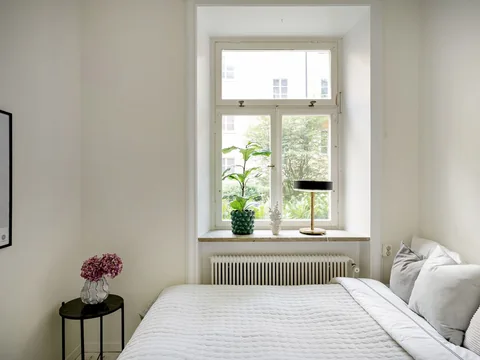
The floor is only one possible stopping point. A radiator, a desk or the daily route through a room may give you a better answer.
Rooms, materials & everyday details
The article collection
Search by a detail, a piece of furniture or the room you have in mind.
166 articles
No articles match. Try a different word or choose all subjects.
Curtains & textiles
The floor is only one possible stopping point. A radiator, a desk or the daily route through a room may give you a better answer.
Colour & walls
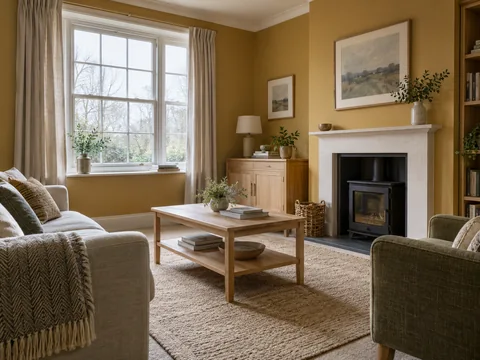
Start with the daylight you have and the furniture that is staying, rather than a list of supposedly safe paint shades.
Colour & walls
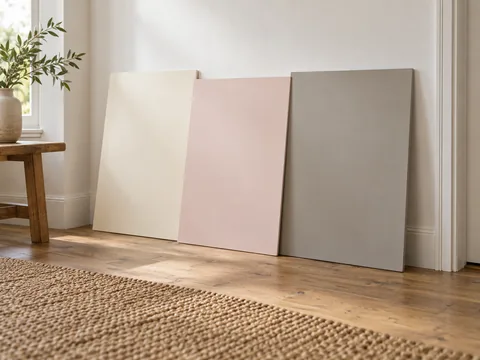
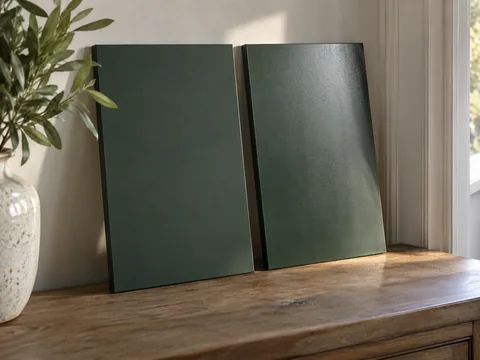
A painted board lets you compare a colour beside the floor, curtains and furniture without covering one wall in little squares.
Colour & walls
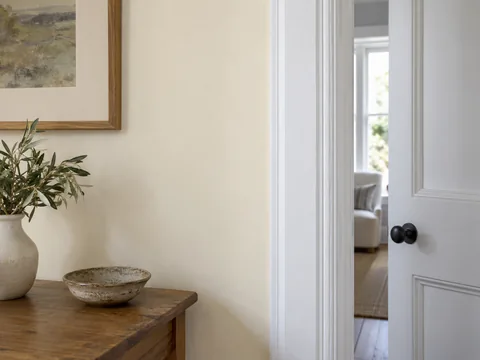
A wall, door frame and new cabinet can all be called white while looking quite different side by side.
Colour & walls
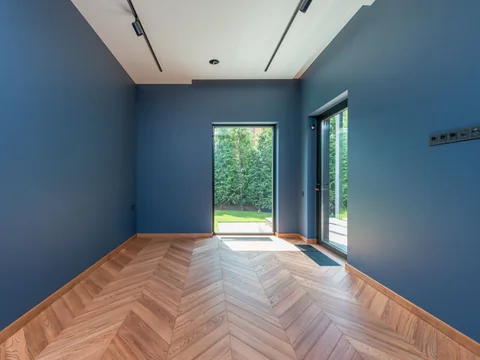
Honey-toned oak supplies a large area of warmth. Wall samples need to meet the floor before they meet the shopping basket.
Colour & walls
The useful question is which grey you own, and what you would like the rest of the room to do around it.
Colour & walls
A coloured ceiling changes the whole room, so include the walls, cornice, lights and doorway in the decision.
Colour & walls
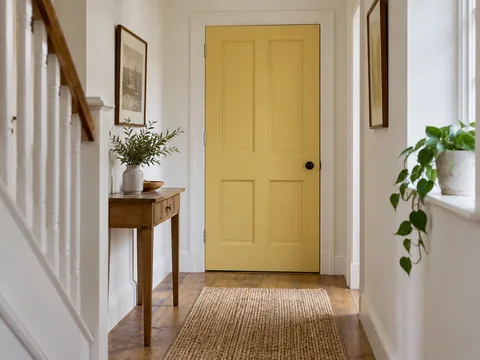
Think about the doors and the view along the hall before deciding where a new wall colour should begin and end.
Colour & walls
Deep colour can suit a bedroom, but the decision is easier when you separate atmosphere from the jobs the room still needs to do.
Colour & walls
Contrast between warm and cool colours can help a room feel balanced without dividing every purchase into matching categories.
Colour & walls
Matching skirting to the wall quietens the lower edge; a contrasting colour makes the room’s outline more visible.
Colour & walls
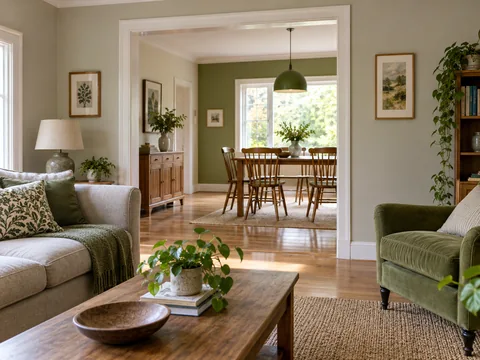
A shared palette can connect sitting, dining and kitchen areas while still allowing each part to have its own emphasis.
Colour & walls
Before replacing a grey paint that looks purple, check the surrounding colours and the light that reveals the change.
Colour & walls
Use the size of the coloured surface to decide whether terracotta becomes the background or a smaller point of warmth.
Colour & walls
Green paint needs to be tested against the cupboard doors, worktop and splashback as one group.
Colour & walls
A few dark lines can give a pale room definition, provided their placement follows the furniture and architecture.
Colour & walls
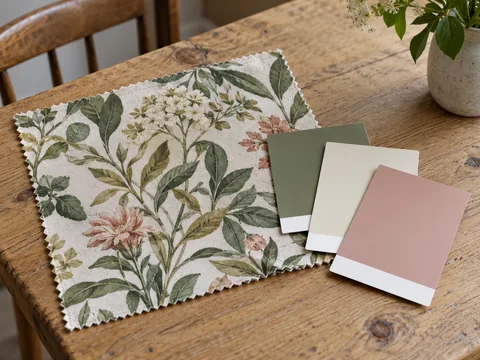
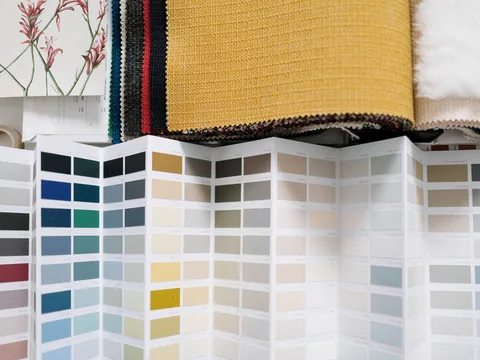
One fabric can suggest a palette, but you can choose which of its colours deserves the largest role.
Colour & walls
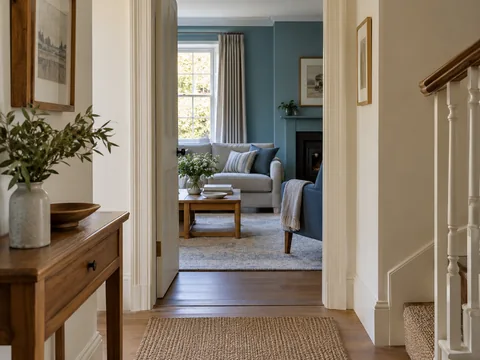
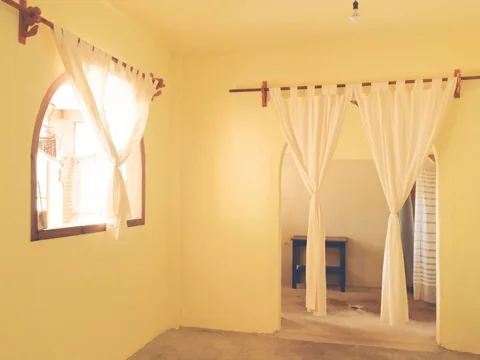
An open door puts two colour schemes together. Test that shared view before painting either side.
Colour & walls
Use the size and position of movable objects to give an unchanged white room a clear direction.
Colour & walls
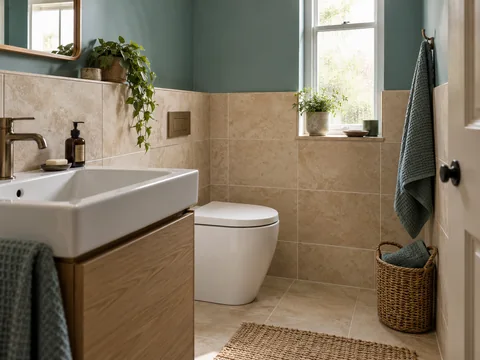
The tile undertone and the room’s light are better starting points than the size label on the floor plan.
Colour & walls
A small sample may show the colours beautifully while hiding how large, open or repetitive the design will feel across a wall.
Colour & walls
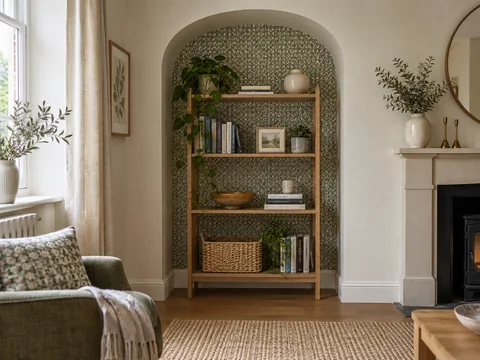
An alcove gives wallpaper a clear boundary, but shelving and shadows can change which parts of the design remain visible.
Colour & walls
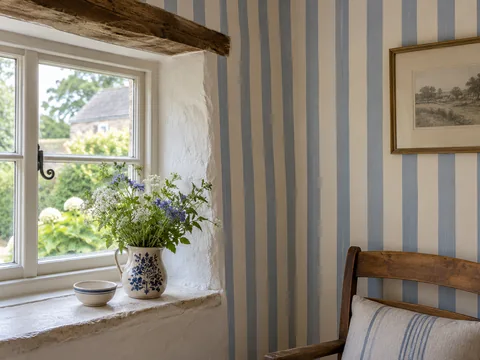
Regular stripes make nearby lines easier to notice. Check old corners and window reveals before choosing their width and contrast.
Colour & walls
The colour name is only part of a paint choice. Surface finish changes highlights, texture and how a wall meets the light.
Colour & walls
A mixed group of pictures needs a background that works with the frames and mounts, not just one favourite print.
Colour & walls
A coloured internal door can be a contained change, but it appears in more than one room when it opens.
Colour & walls
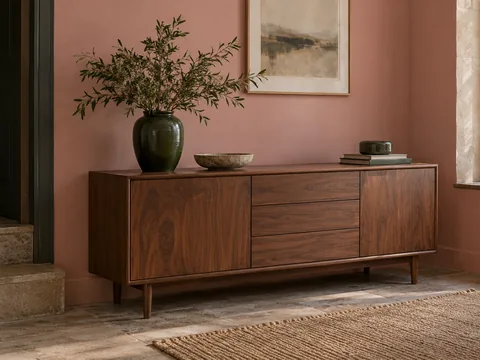
A dusty pink can sit alongside walnut, stone and deep green without requiring the rest of the room to become pale and delicate.
Colour & walls
If a room is mainly used after work, its usual lamps deserve as much influence as the brief daylight view.
Colour & walls
Before introducing another colour to tie things together, remove a few competing accents and see what the room already has.
Curtains & textiles
The number on a curtain pack may describe a flat panel, while the finished curtain needs enough fabric to form its intended folds.
Curtains & textiles
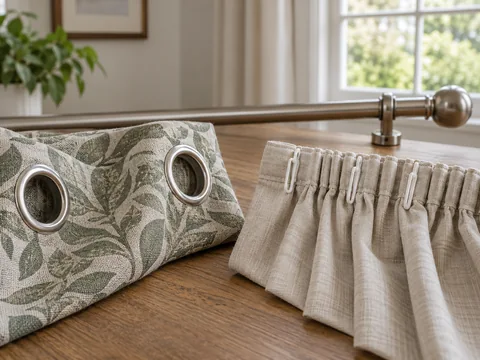
The heading must work with the existing hardware before its appearance becomes the deciding factor.
Curtains & textiles
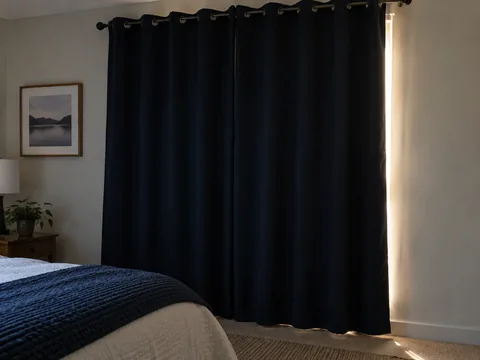
Light travelling around a curtain is a different problem from light passing through its fabric.
Curtains & textiles
A sheer can soften the daytime view without providing the same privacy when the room is lit after dark.
Curtains & textiles
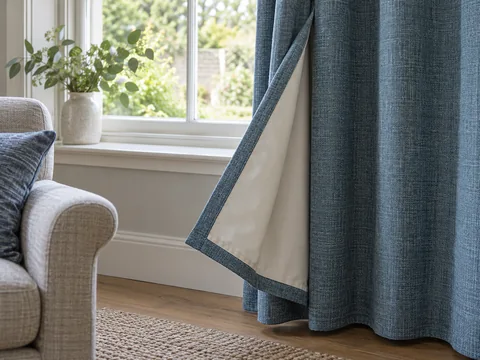
Lining is a choice about light, fabric handling and the finished curtain’s weight, not just an optional extra on an order form.
Curtains & textiles
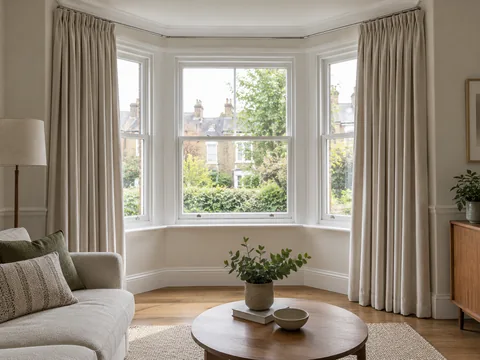
Map the shape, obstructions and intended curtain travel before turning a bay window into a set of order measurements.
Curtains & textiles
A short window can keep its own proportions. The right curtain length depends on what happens beneath and beside it.
Curtains & textiles
Closed curtains become a large surface. Decide whether that surface should extend the wall colour or introduce a separate shape.
Curtains & textiles
A motif’s size, direction and repeat can affect both the finished appearance and the amount of cloth needed.
Curtains & textiles
Measure the sitting arrangement, including the chairs and walking routes, before choosing a rug from its product photograph.
Curtains & textiles
The table is only the centre of the measurement. Chairs need support when somebody pulls them back to sit or stand.
Curtains & textiles
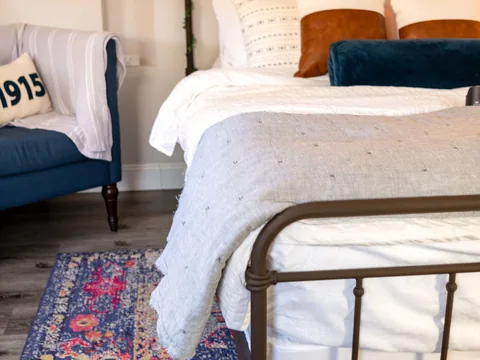
The most useful part of a bedroom rug may be the strip beside the bed, so measure where you step before centring a large rectangle.
Curtains & textiles
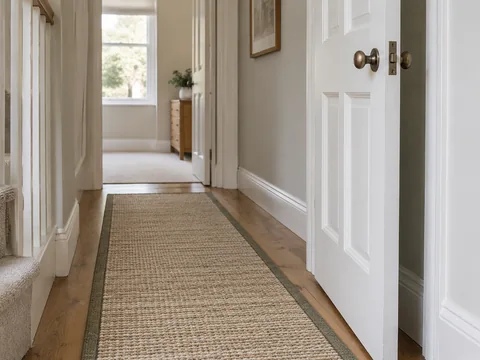
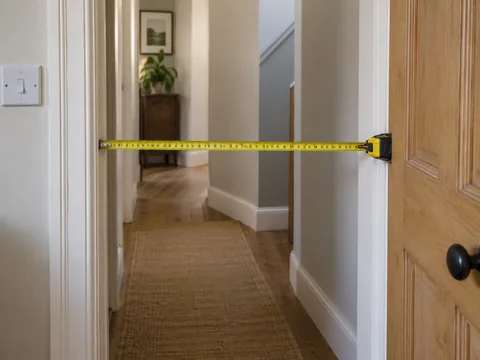
The runner and its underlay need to fit under opening doors and remain stable along a route used all day.
Curtains & textiles
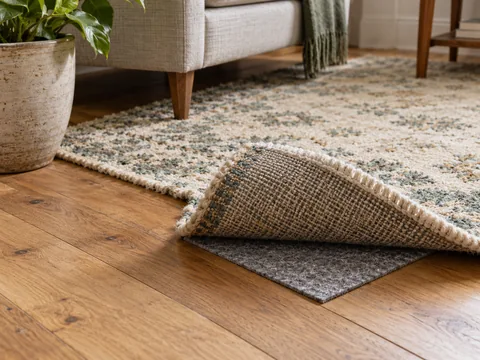
The rug, floor finish and any heating system form one combination. Choose an underlay that is specified for that combination.
Curtains & textiles
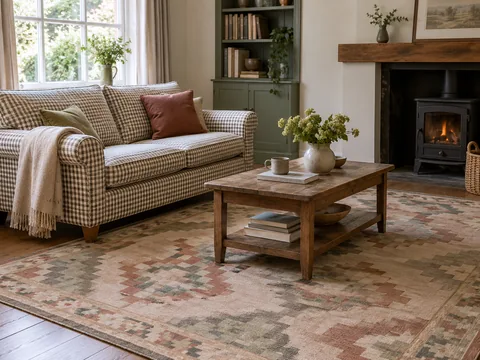
Two patterns can share a sitting room when their scale, contrast and visible area give them different roles.
Curtains & textiles
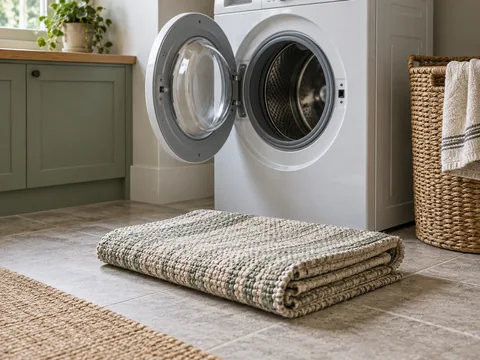
Machine washable is a care claim, not a guarantee that a particular rug will fit your machine or dry conveniently in your home.
Curtains & textiles
Texture changes how a rug feels and how furniture moves across it. Choose with the room’s activities in mind.
Curtains & textiles
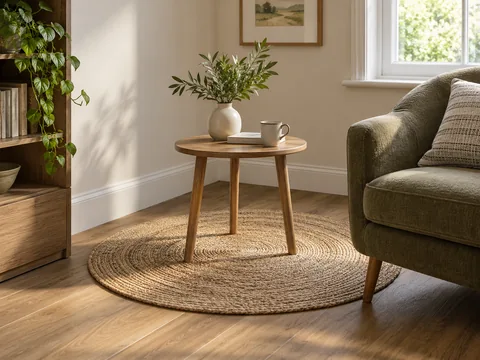
A circle can mark a small grouping or soften a room of straight lines, but its usable area needs careful measuring.
Curtains & textiles
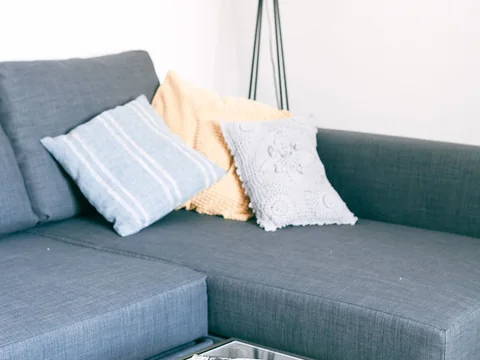
On a shallow sofa, a cushion needs to leave enough room for somebody to sit comfortably in front of it.
Curtains & textiles
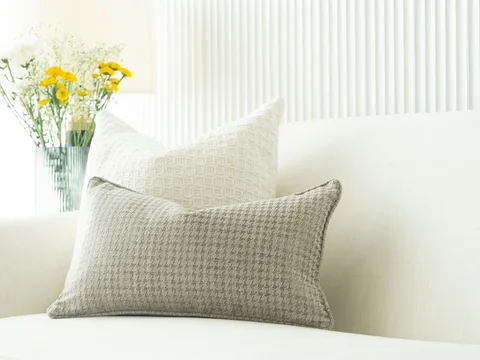
Different patterns can feel related through colour or scale without becoming a coordinated set.
Curtains & textiles
The same cover can look firm, loose or overfilled depending on the pad inside it.
Curtains & textiles
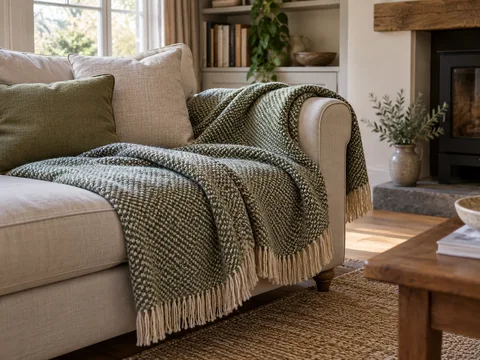
A throw used for warmth needs enough coverage and a manageable care routine, even if it also adds colour to the sofa.
Curtains & textiles
Choose linen with a clear view of its relaxed surface, and check the actual product rather than expecting every linen textile to behave alike.
Curtains & textiles
A bed can look finished with the bedding used for sleep and one useful extra layer.
Curtains & textiles
Bed names are not enough when covers come from different ranges or countries. Compare the duvet’s actual dimensions with the cover.
Curtains & textiles
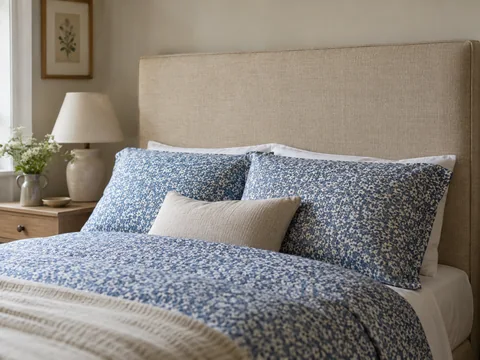
A plain headboard can give patterned bedding a clear background, while its texture still adds something to the room.
Curtains & textiles
A fabric can change in appearance when its pile, folds or weave catches the light from another direction.
Curtains & textiles
A care label can change whether a cushion, curtain or throw suits your household, so read it while the purchase is still optional.
Curtains & textiles
For a busy sofa, judge the actual weave, removable parts and cleaning instructions against what happens in the room.
Curtains & textiles
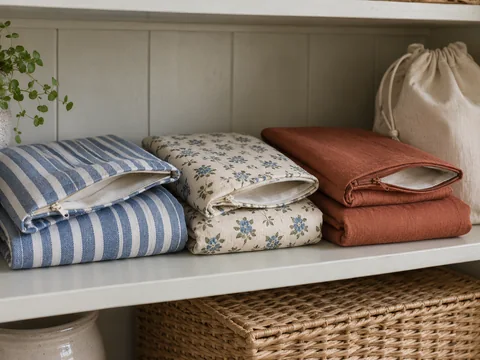
Matching covers are easier to find when their sizes, pairs and care details stay together rather than disappearing into a general textile pile.
Lighting
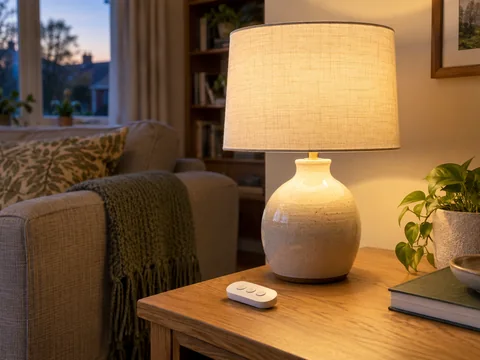
A room needs different light for reading, conversation and finding the lost remote. Start with those jobs and the places where they happen.
Lighting
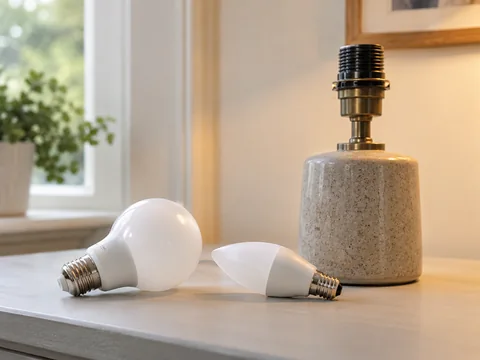
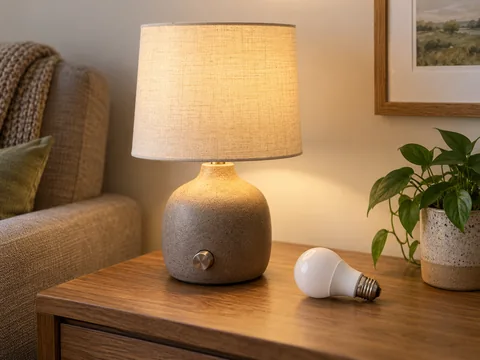
Brightness, fitting, shape and control compatibility are separate decisions. Reading them separately makes replacement bulbs easier to compare.
Lighting
The same cream wall can look mellow or rather cold under different bulbs. Compare the light colour in the room instead of relying on its name.
Lighting
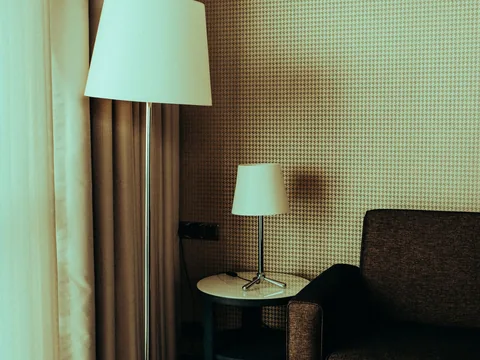
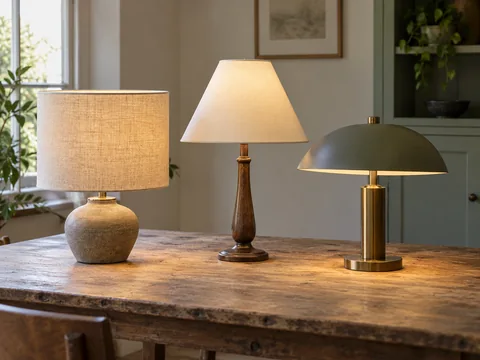
A lampshade changes where light escapes as well as how the lamp looks. Shape, lining and openings need to be considered together.
Lighting
A table lamp can look comfortable while you are standing and expose its bulb as soon as you sit down. Check it from the seats that matter.
Lighting
The best position for a bedside lamp depends on the mattress, your reading posture and the location of its control—not simply the centre of the table.
Lighting
A shadow from your hand, a reflection on the screen and a dark notebook need different solutions. Reposition the light before replacing it.
Lighting
A reading lamp needs to reach the book, screen its source and stay clear of the chair's moving parts. Test all three before judging its style.
Lighting
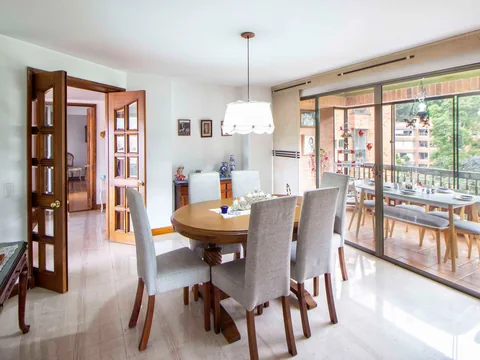
A dining pendant is part of the view across the table. Plan its width, height and relationship to the furniture before arranging installation.
Lighting
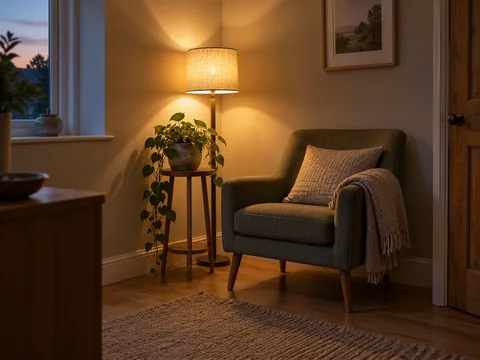
A neglected corner might need a reading spot, a place to put things down or simply to remain quiet. Its use tells you what light belongs there.
Lighting
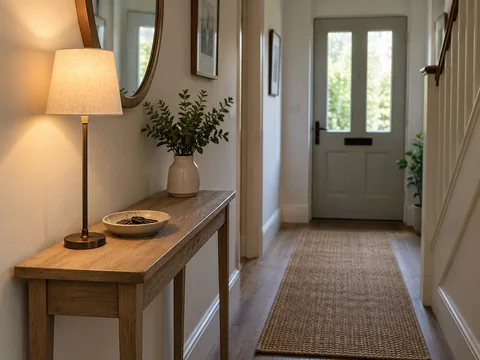
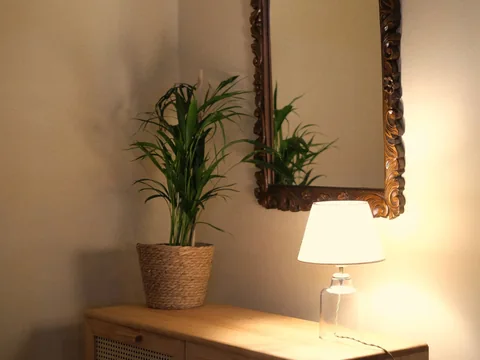
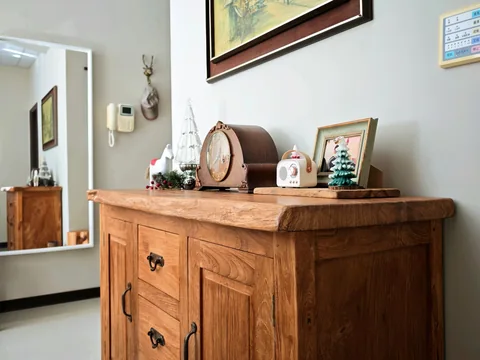
A hall console is a working surface. Choose a lamp that makes the entrance legible while leaving space for keys, post and the door's movement.
Lighting
A mirror can reveal a bulb that the shade hides from direct view. Check reflections from the sofa, the doorway and the table before fixing positions.
Lighting
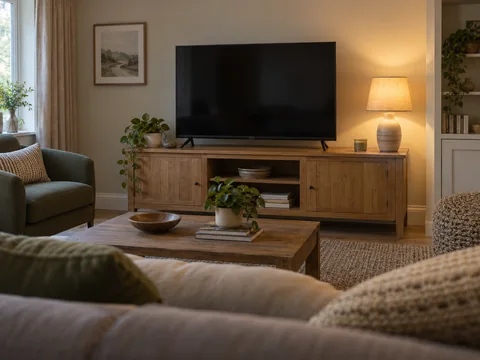
The television reflects the room as well as showing a picture. Find the offending reflection from the sofa, then move the light rather than chasing screen settings.
Lighting
A fabric sample chosen by a shop window may look different beneath your evening lamps. Bring the material and the light together before ordering.
Lighting
A dimmable bulb is one part of a compatible system. Check the lamp and control as well as the label on the replacement.
Lighting
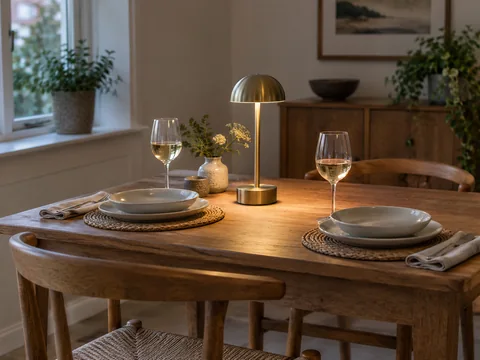
A rechargeable lamp is useful where a cable would interrupt a tabletop or walkway. Its charging routine still needs a place in the room.
Lighting
A connected lamp should still be straightforward for someone without the app. Decide how the room will be controlled before adding routines.
Lighting
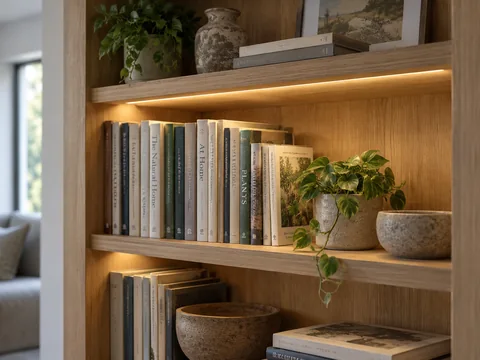
Shelf lighting looks calmer when you see the books and objects rather than a row of bright dots. Plan the view, the compatible components and the cable route together.
Lighting
Light travelling close to a wall can emphasise its texture. Change the angle before deciding that the wall or the lamp needs replacing.
Lighting
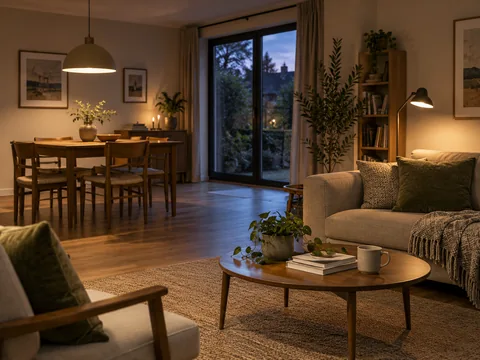
A shared living and dining room does not need to be lit as one uniform space. Let each activity have a useful pool of light while keeping the routes between them clear.
Lighting
One odd replacement can make a room look patchy. Identify the difference before replacing a whole set of otherwise useful bulbs.
Lighting
A lamp's visual balance is only half the decision. Its base, shade and switch all occupy space on and above the table.
Lighting
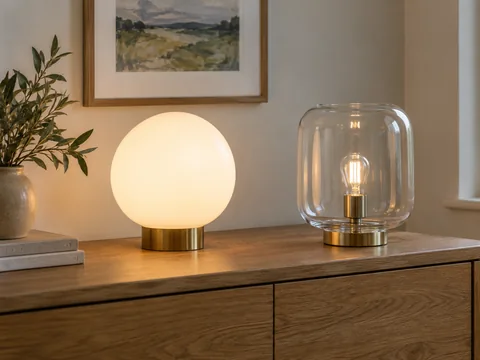
Glass can either reveal the light source or soften its appearance. Compare the complete lamp from the positions where it will be seen.
Lighting
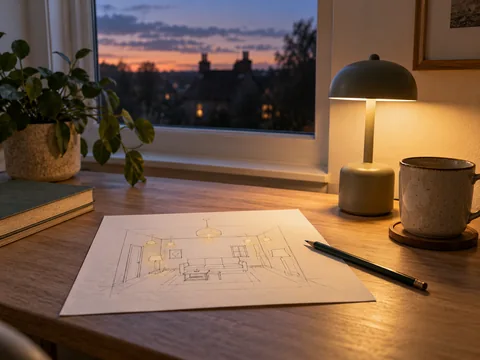
A lighting plan drawn only in daylight misses half the room's life. Use two short observations to separate daylight problems from evening ones.
Rented spaces
A specific proposal is easier to discuss than a vague request to redecorate. Describe the surface, the work and what would happen when you leave.
Rented spaces
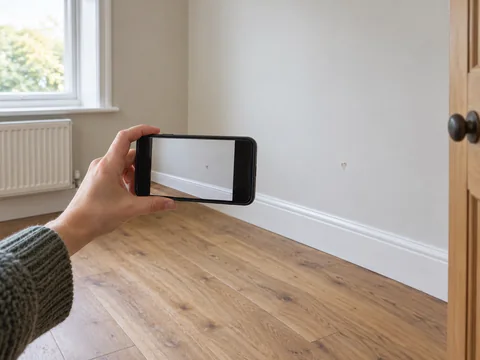
A few organised photographs help you remember the original arrangement and discuss existing marks before decoration begins.
Rented spaces
An existing sofa, table or bed can set the scale of a rented room without dictating every colour and detail. Start by learning what can move and what must stay.
Rented spaces
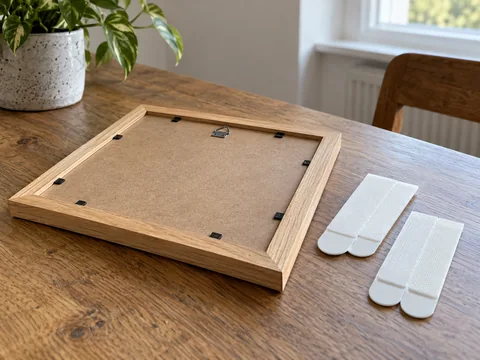
Removable hanging products have limits for surfaces, weight and position. Match the exact frame and wall to the exact product rather than relying on the word removable.
Rented spaces
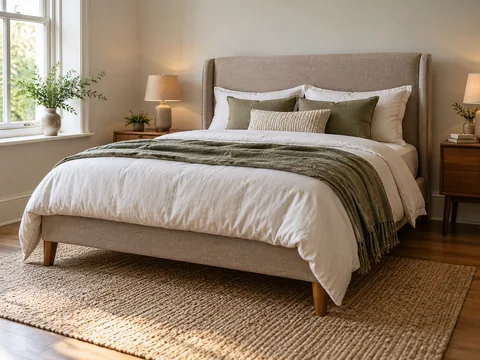
A bed-attached headboard can add height and texture without making the wall part of the design. Confirm the fittings and dimensions before buying it separately.
Rented spaces
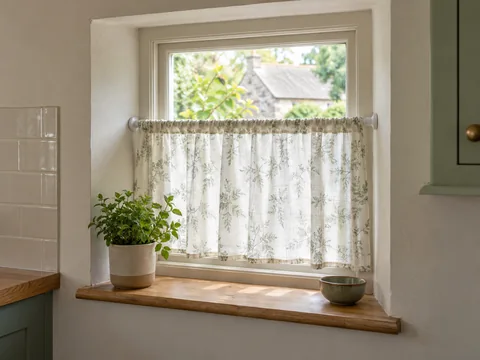
A tension rod can suit a light curtain in a suitable recess, but its span, load rating and contact surfaces decide whether it belongs at your window.
Rented spaces
Privacy, appearance and glass compatibility are separate questions. Identify the glazing and the exact film before treating a window as a blank decorating surface.
Rented spaces
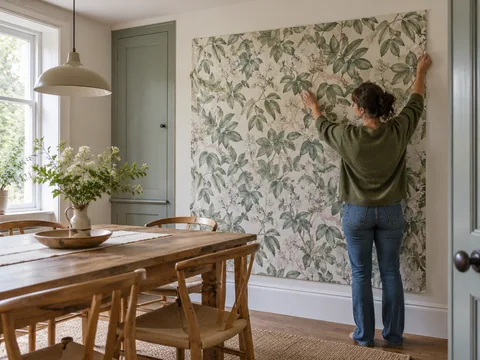
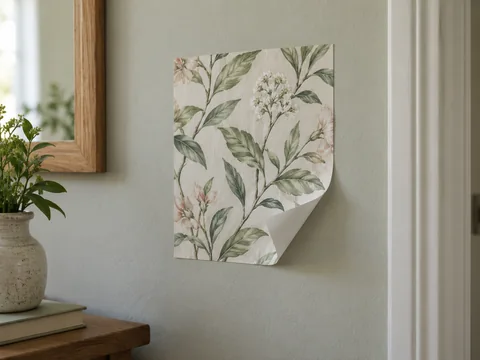
Removable wallpaper depends on the surface beneath it. Treat the first sample as a test of suitability, appearance and removal rather than the start of a full wall.
Rented spaces
A rug can change the look of a supplied floor, but size, underlay compatibility and everyday movement matter more than hiding every visible edge.
Rented spaces
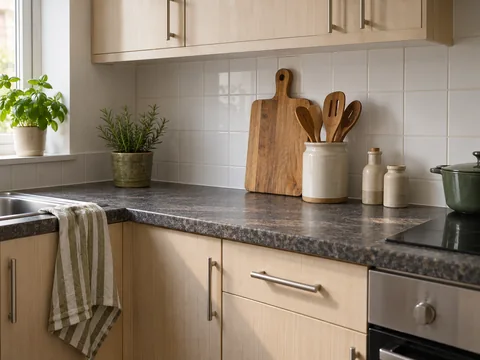
A few coordinated objects can change a kitchen's appearance while leaving its supplied doors and worktops intact. Keep preparation space at the centre of the plan.
Rented spaces
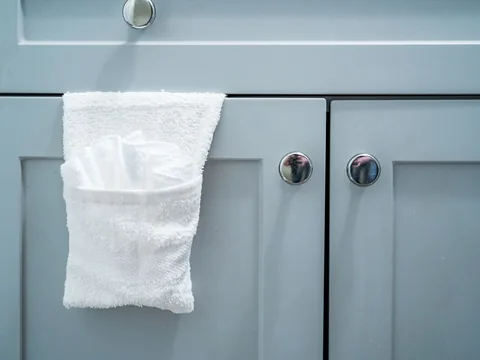
A low trolley, a suitable caddy or a better drawer arrangement may solve bathroom clutter without new wall fixings. Check moisture, stability and cleaning access first.
Rented spaces
Socket positions affect where a desk or lamp can sensibly stand. Map the lead's route before the furniture arrives, including access to the plug and moving parts.
Rented spaces
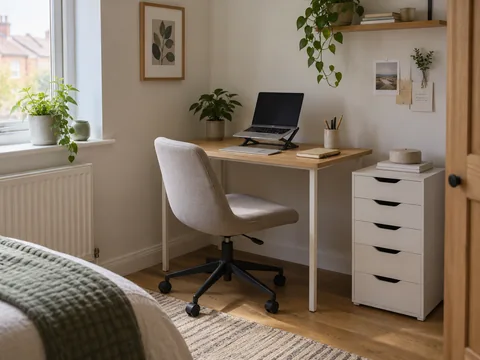
A workspace that can move house should still work properly today. Choose around your equipment, body and daily routine, then check how the pieces come apart.
Rented spaces
A door needs room for its handle, its swing and the person using it. Check those movements before filling the apparently empty wall beside it.
Rented spaces
Small framed pieces can live on furniture, but the arrangement still needs proper support. Keep it stable, low and clear of everyday movement.
Rented spaces
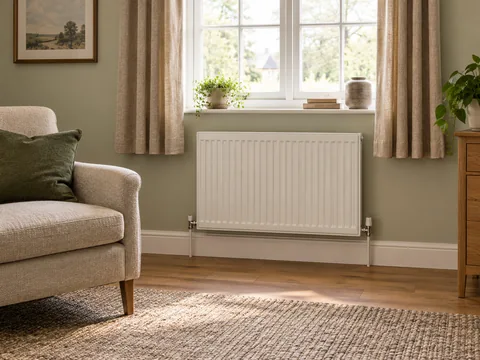
An existing radiator is a fixed part of the layout. Keep its operation and access requirements clear, then arrange the furniture around the remaining space.
Rented spaces
Bedding, curtains, rugs and smaller fabrics can give a plain room its colour. Choose a few meaningful areas rather than scattering matching accents everywhere.
Rented spaces
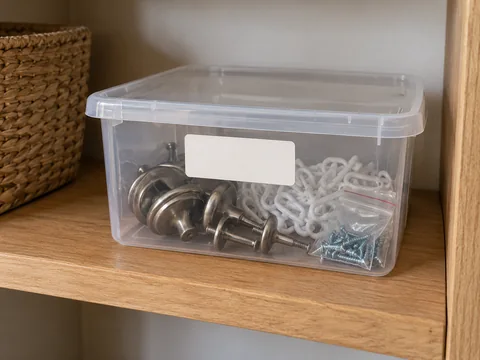
Small original parts are easy to lose during a decorating project. Give them one labelled home so reinstating an agreed change remains straightforward.
Rented spaces
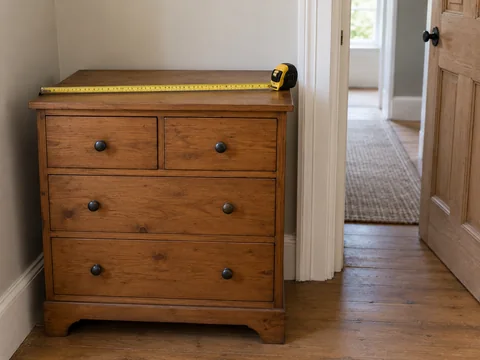
The right-sized chest for a bedroom can still be the wrong-sized chest for the staircase. Measure the route, the furniture and the space needed to use it before arranging collection.
Rented spaces
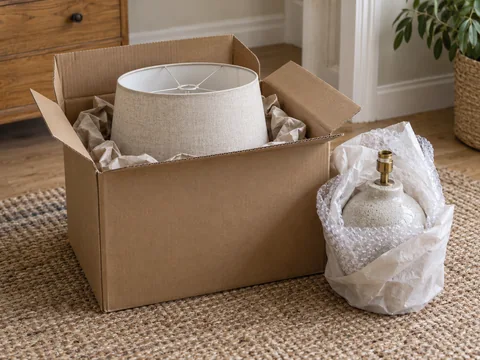
Pack the shade, base and permitted removable parts as different objects. The shade needs protection from pressure, while the base needs support against movement.
Room layouts
The difficult part of a long room is often the journey across it. Plan that route before deciding how much seating the room can hold.
Room layouts
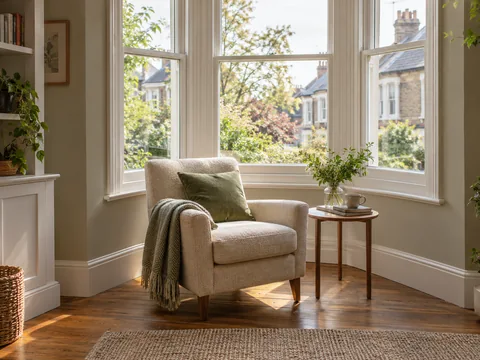
A bay can be a seat, a place for a small table or an open part of the room. Its angles and opening windows usually make the choice clearer.
Room layouts
When a room connects two other spaces, the furniture needs to acknowledge that journey. Door positions matter more than a perfectly centred sofa.
Room layouts
A projecting chimney breast gives a room a centre, but the alcoves beside it do not have to contain matching furniture.
Room layouts
Two sofas can occupy the same length of wall and leave very different amounts of floor in front of them.
Room layouts
Matching seating is only one way to arrange a living room. Compare the number of everyday seats, the routes between them and what the room is used for.
Room layouts
A small turn can bring an armchair into a conversation or leave it stranded between two purposes.
Room layouts
Start with how the table will be reached and walked around. Its shape should follow the seating rather than fill the middle of the room by habit.
Room layouts
A table can be small and still be wrong for a chair. Reach, arm height and the position of its base matter together.
Room layouts
The long return of a corner sofa can create a comfortable seat or divide the room in an inconvenient place. Check it at full size before choosing the upholstery.
Room layouts
Sitting and dining can share a room without needing a partition. Start with the routes and activities, then use furniture to give each area a clear place.
Room layouts
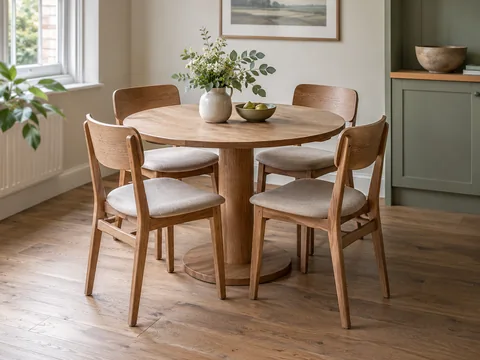
A circular top can ease movement around a dining area, but it needs a useful circle of space around it as well.
Room layouts
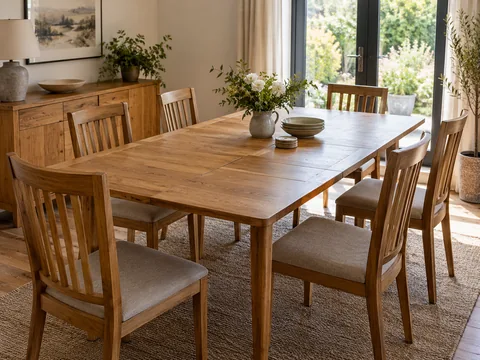
An extension leaf adds tabletop, chairs and movement. Plan all three before relying on a table's larger setting.
Room layouts
A bench can tuck neatly beneath a table, but getting on and off it is different from using separate chairs.
Room layouts
The most obvious wall is a starting point. Doors, storage access, light and the way you get into bed may lead to a better position.
Room layouts
Equal bedside tables can demand more width than a small bedroom has. Give each side what it needs instead of forcing a matching pair.
Room layouts
The gap between a bed and a chest is only useful if a drawer can open and a person can stand in front of it.
Room layouts
Low furniture can use the eaves, while standing and sitting tasks need the taller part of an attic bedroom.
Room layouts
A bedroom desk needs room for the chair in use, somewhere for work to go afterwards and a position that does not interrupt access to the bed.
Room layouts
A desk at the edge of the living room can be a permanent piece of furniture without making work the room's main activity.
Room layouts
Decide what the room does between visits, then plan a sleeping arrangement that can be opened without dismantling that everyday use.
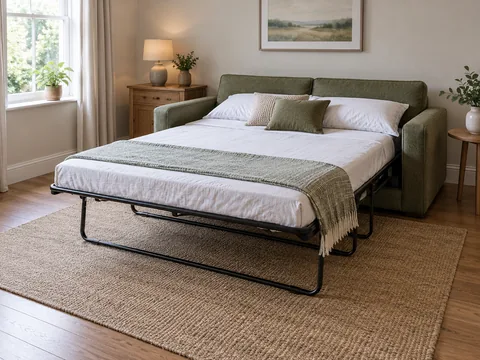
Room layouts
The dimensions in the main product photograph rarely show the room at bedtime. Check the open bed, the opening movement and the route beside it.
Room layouts
A studio can have distinct places for sleeping, sitting and eating without dividing the floor into several cramped miniature rooms.
Room layouts
The chair, the light and somewhere for a book matter more than filling the corner with accessories.
Room layouts
A shallow table can hold keys and post, but it should not make the most frequently crossed part of the home harder to use.
Room layouts
The entrance has to handle opening, arriving, setting things down and leaving. Plan those movements before adding storage around them.
Room layouts
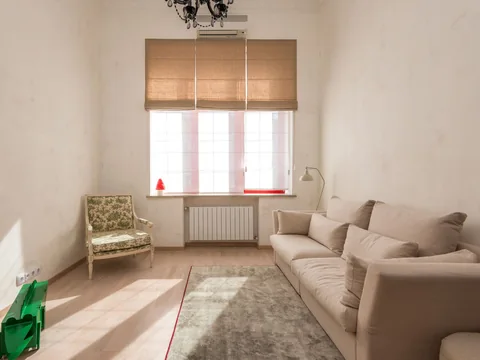
A radiator should remain able to release heat and be reached for its controls and maintenance. Treat it as part of the room plan, not a blank wall to cover.
Room layouts
A large window and a television ask for different things from a room. Test reflections from the seats before committing to a wall position.
Room layouts
A living room can organise itself around conversation, a view or a collection of books. It does not need a replacement object of television size.
Room layouts
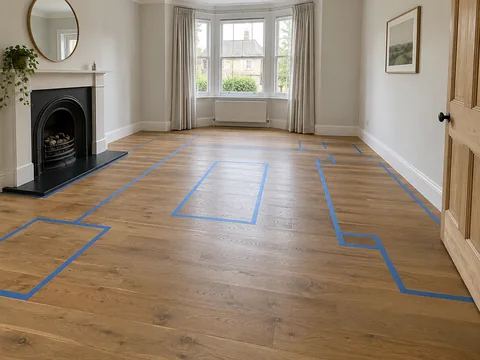
A taped outline can reveal a collision before a delivery arrives. Add height, open doors and real people to make the test more useful.
Room layouts
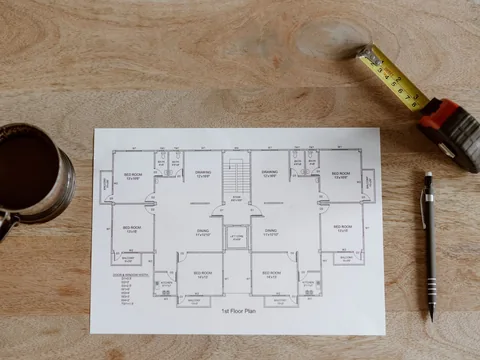
A useful room survey records the obstacles, openings and changes in height that a simple length-and-width measurement leaves out.
Room layouts
A piece can fit its destination and still fail at the front door, a stair turn or the final doorway. Check the whole journey before ordering.
Room layouts
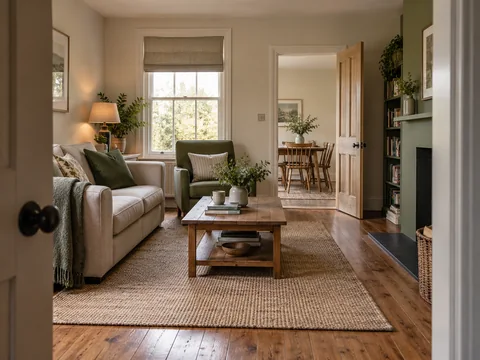
Adjoining rooms can feel connected while keeping different furniture, colours and uses. The view through the opening is the useful place to begin.
Room layouts
A bare corner is not necessarily an unfinished part of a room. It may be the space that lets the rest of the furniture work.
Furniture & storage
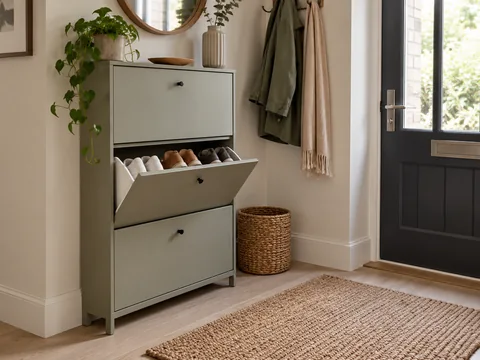
Shoe storage works when it matches the shoes worn this week and leaves the entrance route clear. Total pair capacity is only part of the decision.
Furniture & storage
Empty hooks occupy almost no room. Coats hanging from them can take a substantial slice of a narrow hallway.
Furniture & storage
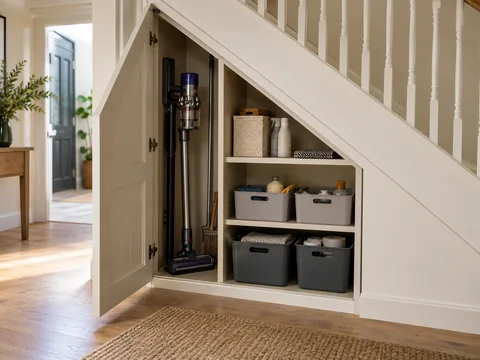
The lowest part of the cupboard suits different belongings from the tall front. Plan access first so useful volume does not become an unreachable pile.
Furniture & storage
An alcove that is slightly wider at the top can make a nearly fitted cabinet look awkward. Measure the recess and decide whether you want a fitted or freestanding result.
Furniture & storage
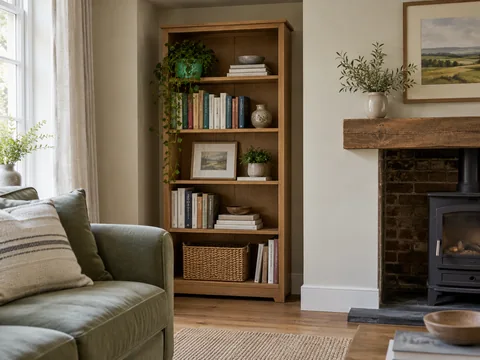
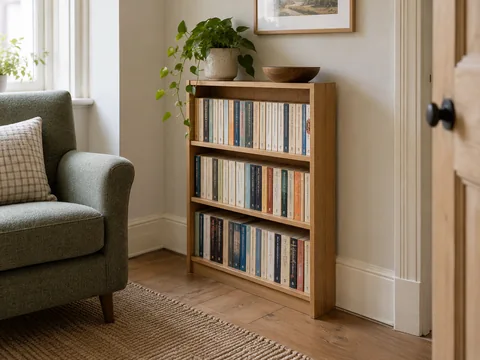
Deep shelves can hide a second row of books, but they also use more floor and make the back row easy to forget.
Furniture & storage
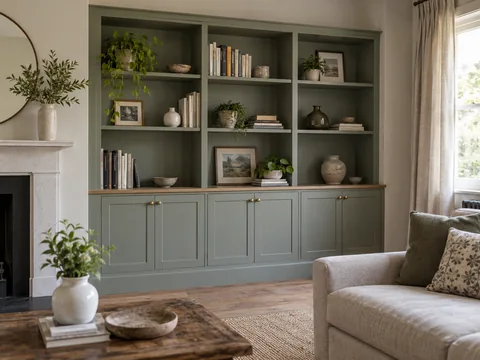
Open shelves make things easy to see; doors make varied belongings quieter to look at. The useful balance depends on what you need to reach and what you want on view.
Furniture & storage
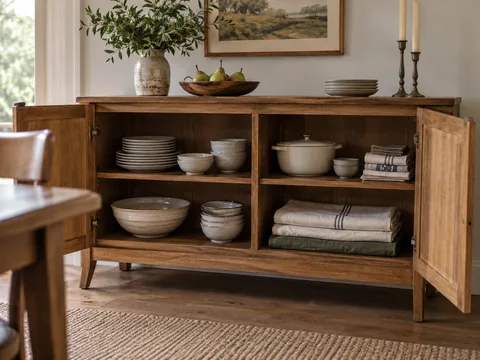
Plates, linen, paperwork and games ask different things of a sideboard. Open the doors on the specification before deciding on the finish.
Furniture & storage
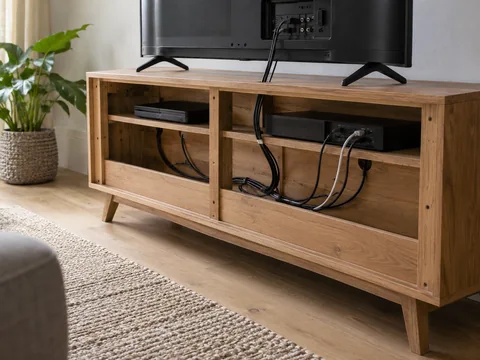
A closed cabinet can tidy the view, but electronic equipment still needs the ventilation and cable space specified by its manufacturer.
Furniture & storage
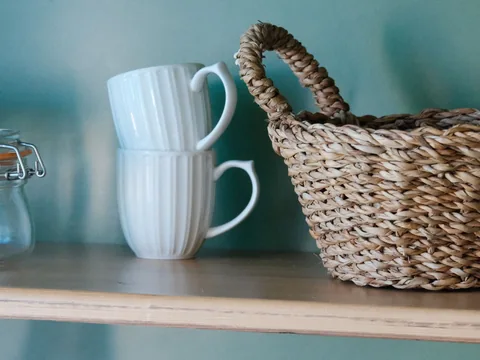
A basket needs room to come out of the shelf as well as room to sit inside it. Handles and tapered sides are easy to overlook.
Furniture & storage
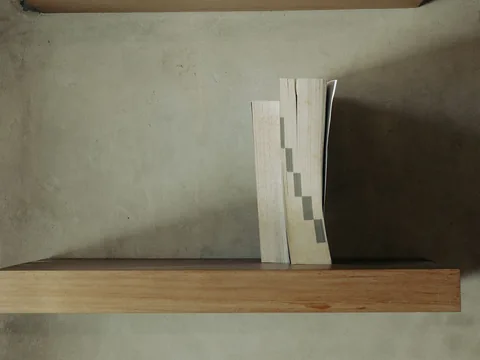
The hidden support is the important part of a floating shelf. Decide what it must carry and how the wall can support it before choosing its length.
Furniture & storage
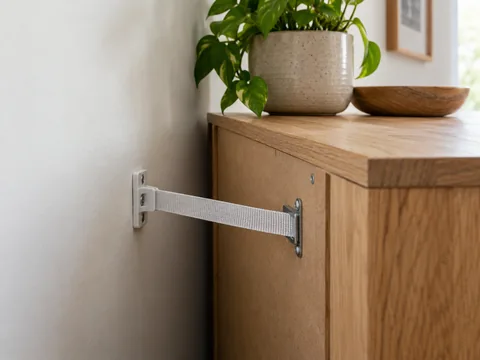
Check the furniture's anchoring requirements while choosing its position. Wall fixing is not a finishing detail to consider after the cabinet is full.
Furniture & storage
The outside dimensions tell you where a wardrobe fits. A count of your clothes tells you whether its inside will work.
Furniture & storage
Two rails can increase short-hanging capacity, but they are useful only when the clothes and the person using them fit the arrangement.
Furniture & storage
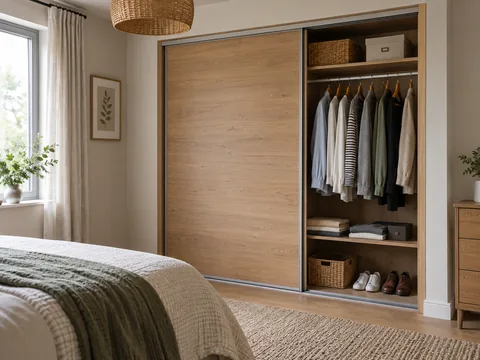
Sliding doors save a swinging arc in front of the wardrobe, but they change which parts of the inside can be reached at the same time.
Furniture & storage
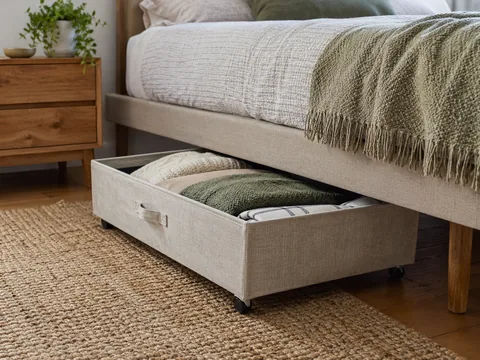
The available height is only the first measurement. A storage box also has to clear the frame, the floor and the furniture beside the bed.
Furniture & storage
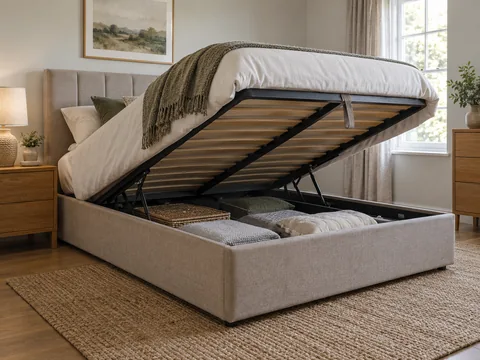
An ottoman can hold bulky belongings, but its opening direction, mattress requirements and access routine need to suit the bedroom.
Furniture & storage
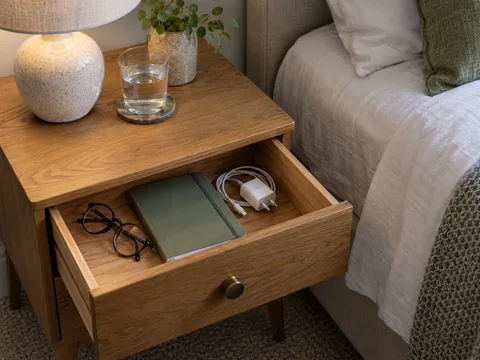
The most useful bedside storage usually holds a small, specific collection. Start with what needs to be reached from bed.
Furniture & storage
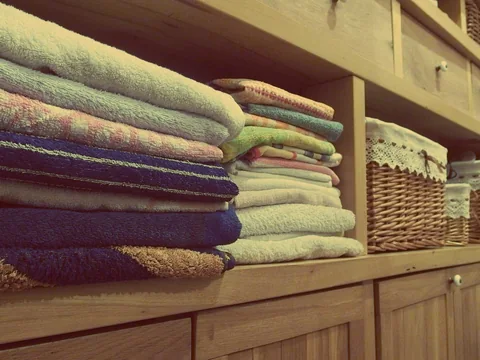
A linen cupboard becomes easier to use when you can remove one set and return it without rebuilding every pile around it.
Furniture & storage
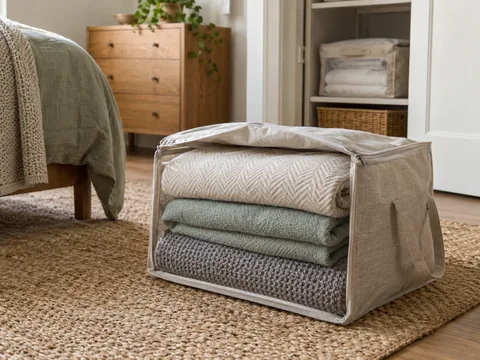
Blankets and spare bedding need a clean, dry place that suits their material. Choose the container after deciding where it will live.
Furniture & storage
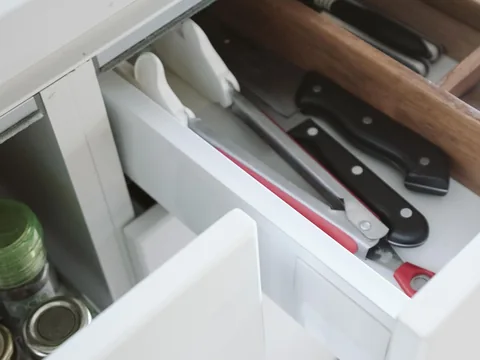
The best division is the one that fits the things returned to the drawer every day. A grid of equal compartments is not always useful.
Furniture & storage
Paper storage can be modest when current tasks, records to keep and documents waiting for a decision are separated.
Furniture & storage
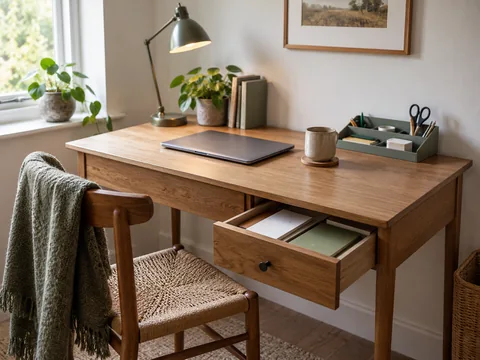
Desk storage should support the work in front of you. Its position matters as much as the number of drawers it contains.
Furniture & storage
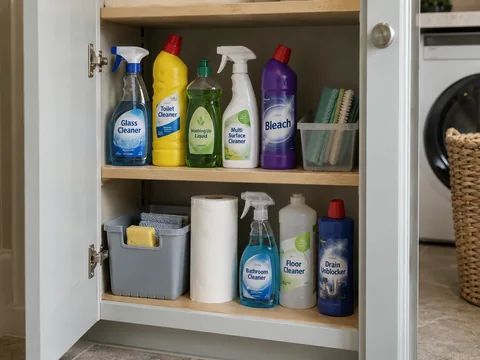
Keep products identifiable and secure, then arrange the cupboard so the items used most often can be removed without disturbing everything else.
Furniture & storage
A bathroom cupboard should keep its contents reachable without asking shelves and containers to tolerate conditions they were not designed for.
Furniture & storage
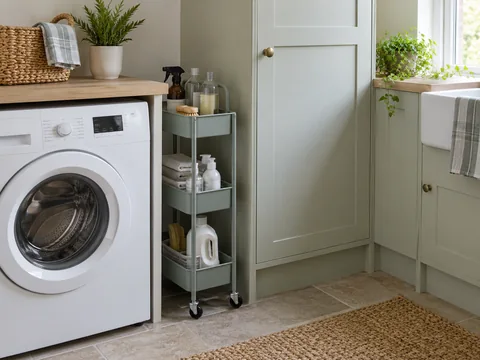
A narrow gap can hold a trolley, but only if the trolley can move, the adjacent equipment can operate and its contents remain easy to reach.
Furniture & storage
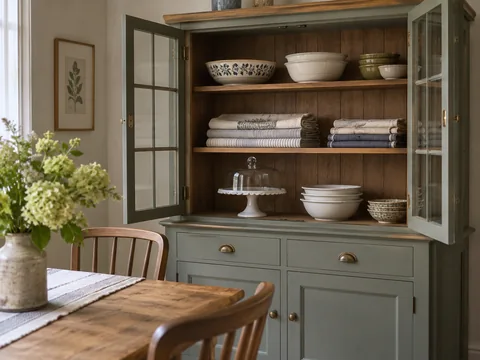
A dining-room cupboard can hold serving pieces and table linen without becoming a distant extension of every kitchen cabinet.
Furniture & storage
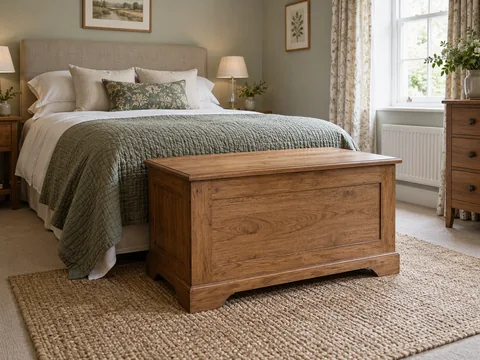
A chest at the foot of the bed offers storage and a strong visual edge. It also occupies the route where people dress and move around the frame.
Furniture & storage
Fitted storage can use a difficult recess closely, while freestanding furniture offers different advantages. Choose according to the room and the belongings, not a hierarchy of finishes.
Furniture & storage
A crowded shelf may need a different arrangement or a narrower job before it needs a neighbouring shelf.