Furniture & storage
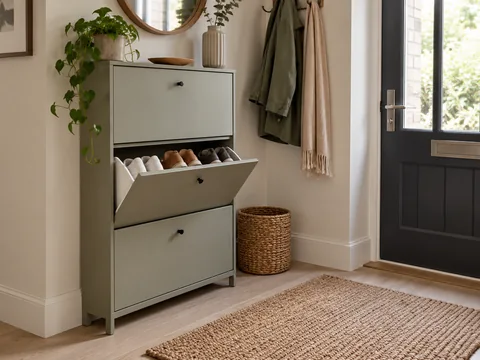
Shoe storage that fits the entrance you actually have
Shoe storage works when it matches the shoes worn this week and leaves the entrance route clear. Total pair capacity is only part of the decision.
Rooms, materials & everyday details
Choose furniture around what it needs to hold—and leave room to reach it.
29 articles · Page 1 of 4
Furniture & storage
Shoe storage works when it matches the shoes worn this week and leaves the entrance route clear. Total pair capacity is only part of the decision.
Furniture & storage
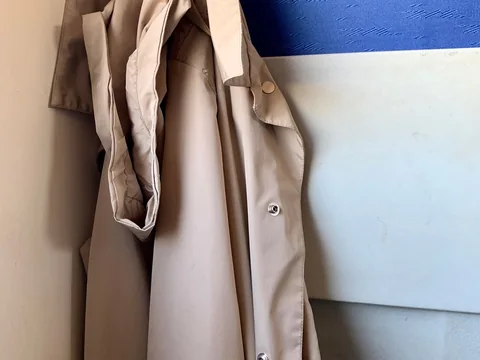
Empty hooks occupy almost no room. Coats hanging from them can take a substantial slice of a narrow hallway.
Furniture & storage
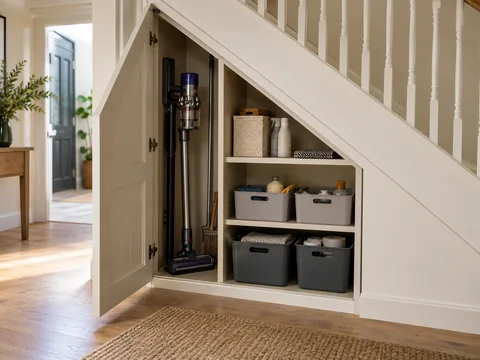
The lowest part of the cupboard suits different belongings from the tall front. Plan access first so useful volume does not become an unreachable pile.
Furniture & storage
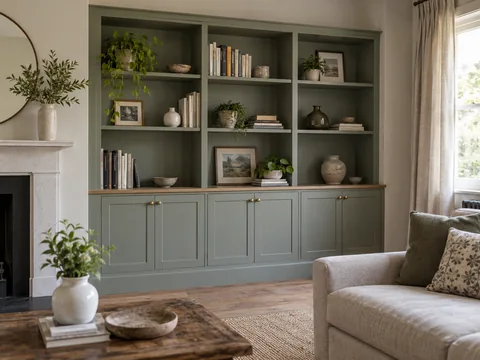
An alcove that is slightly wider at the top can make a nearly fitted cabinet look awkward. Measure the recess and decide whether you want a fitted or freestanding result.
Furniture & storage
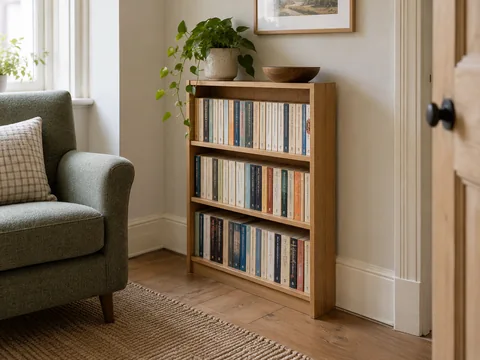
Deep shelves can hide a second row of books, but they also use more floor and make the back row easy to forget.
Furniture & storage
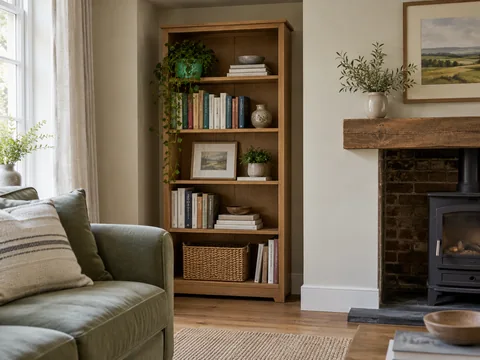
Open shelves make things easy to see; doors make varied belongings quieter to look at. The useful balance depends on what you need to reach and what you want on view.
Furniture & storage
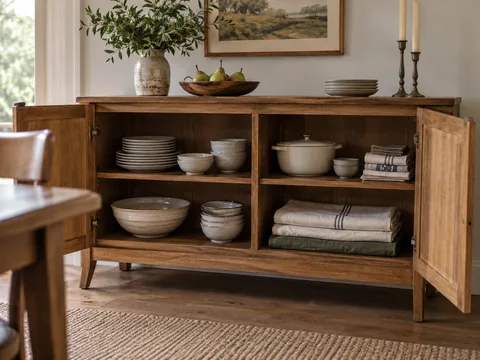
Plates, linen, paperwork and games ask different things of a sideboard. Open the doors on the specification before deciding on the finish.
Furniture & storage
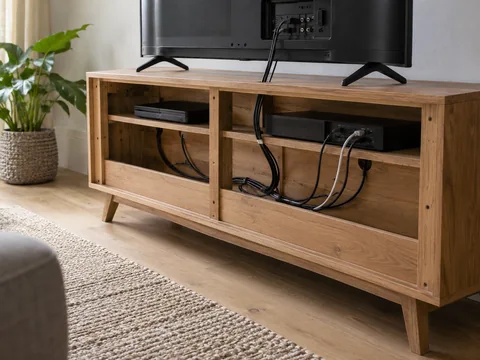
A closed cabinet can tidy the view, but electronic equipment still needs the ventilation and cable space specified by its manufacturer.
Furniture & storage
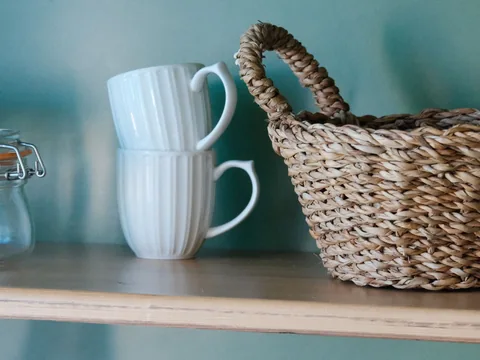
A basket needs room to come out of the shelf as well as room to sit inside it. Handles and tapered sides are easy to overlook.