Room layouts
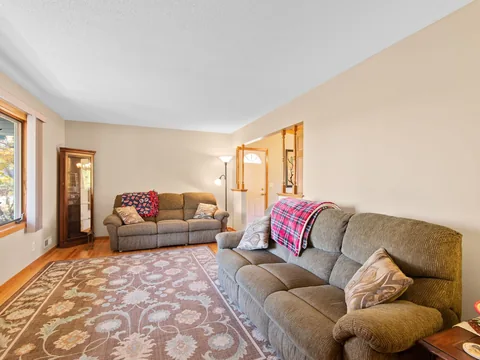
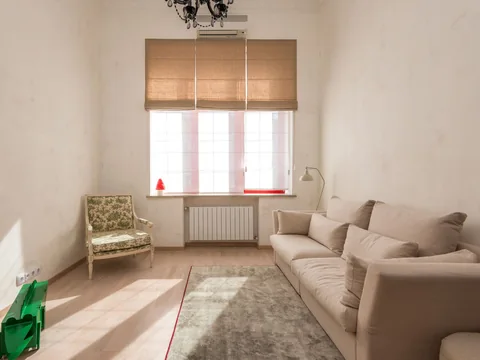
Furnishing a narrow living room without blocking the way through
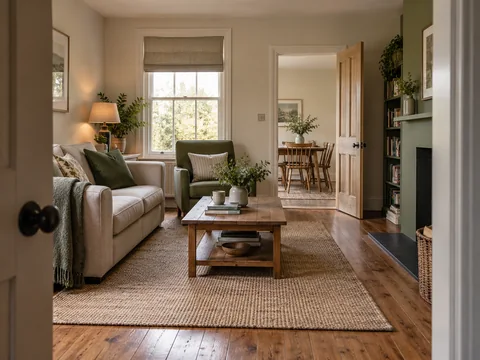
The difficult part of a long room is often the journey across it. Plan that route before deciding how much seating the room can hold.
Rooms, materials & everyday details
Make space for the way a room is used, from the first furniture plan to the everyday route through it.
34 articles · Page 1 of 4
Room layouts
The difficult part of a long room is often the journey across it. Plan that route before deciding how much seating the room can hold.
Room layouts
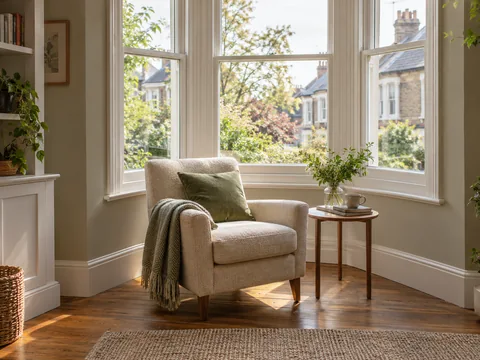
A bay can be a seat, a place for a small table or an open part of the room. Its angles and opening windows usually make the choice clearer.
Room layouts
When a room connects two other spaces, the furniture needs to acknowledge that journey. Door positions matter more than a perfectly centred sofa.
Room layouts
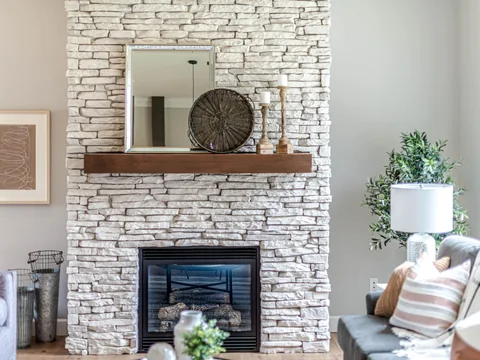
A projecting chimney breast gives a room a centre, but the alcoves beside it do not have to contain matching furniture.
Room layouts
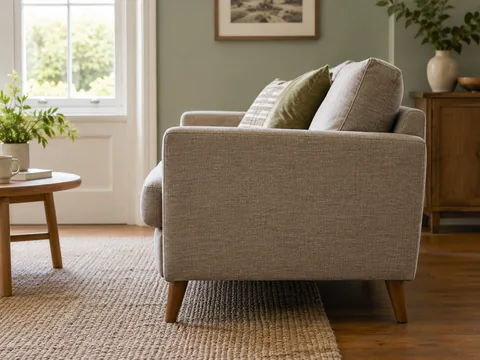
Two sofas can occupy the same length of wall and leave very different amounts of floor in front of them.
Room layouts
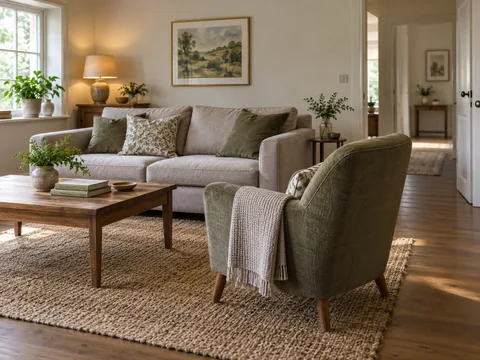
Matching seating is only one way to arrange a living room. Compare the number of everyday seats, the routes between them and what the room is used for.
Room layouts
A small turn can bring an armchair into a conversation or leave it stranded between two purposes.
Room layouts
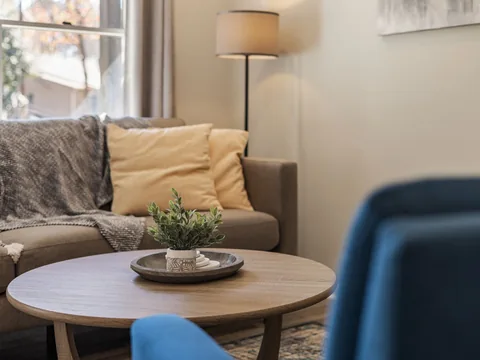
Start with how the table will be reached and walked around. Its shape should follow the seating rather than fill the middle of the room by habit.
Room layouts
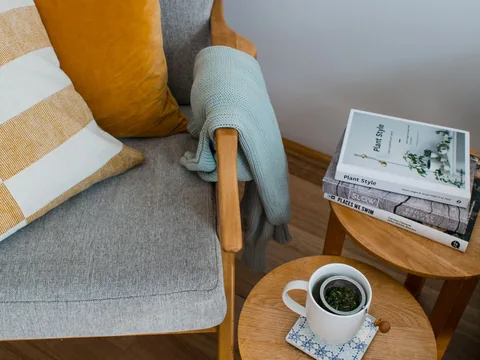
A table can be small and still be wrong for a chair. Reach, arm height and the position of its base matter together.