Give the patterns different voices
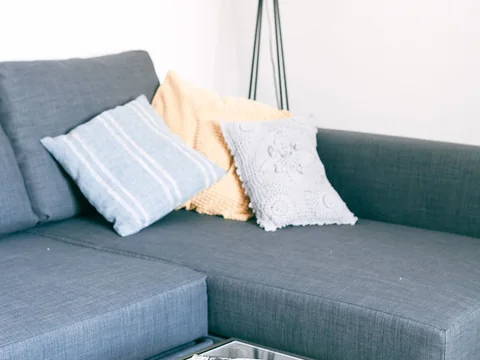
A broad stripe, a small floral and a plain fabric can share a sofa because they do not all create the same rhythm. The stripe reads clearly from across the room, the floral supplies closer detail and the plain area gives the eye somewhere to pause.
Begin with one cushion you want to keep. Compare the next fabric beside it at its actual size. A tiny swatch may hide the strength of a large motif, so look at the whole cover or a full repeat image before deciding the patterns are balanced.
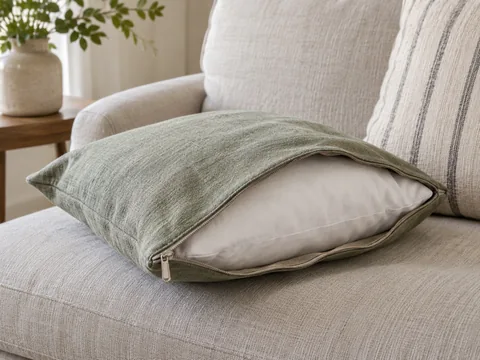
You can connect them through one shared colour, but exact matching is optional. An olive stripe and a floral containing a little green may relate comfortably even when the shades differ. The sofa itself is part of the group, so include its colour and texture in every comparison.
Avoid buying one cushion from each pattern category simply to satisfy a formula. Two patterns and one plain fabric are an example, not a required kit. A pair of different stripes may work better in your room, or one patterned cushion may provide all the detail needed.
Judge the group on the furniture
Arrange the cushions where they will be used rather than lining them up on a shop shelf. Leave some upholstery visible. If every seat is covered, it becomes difficult to tell whether the patterns relate to the sofa or merely to one another.
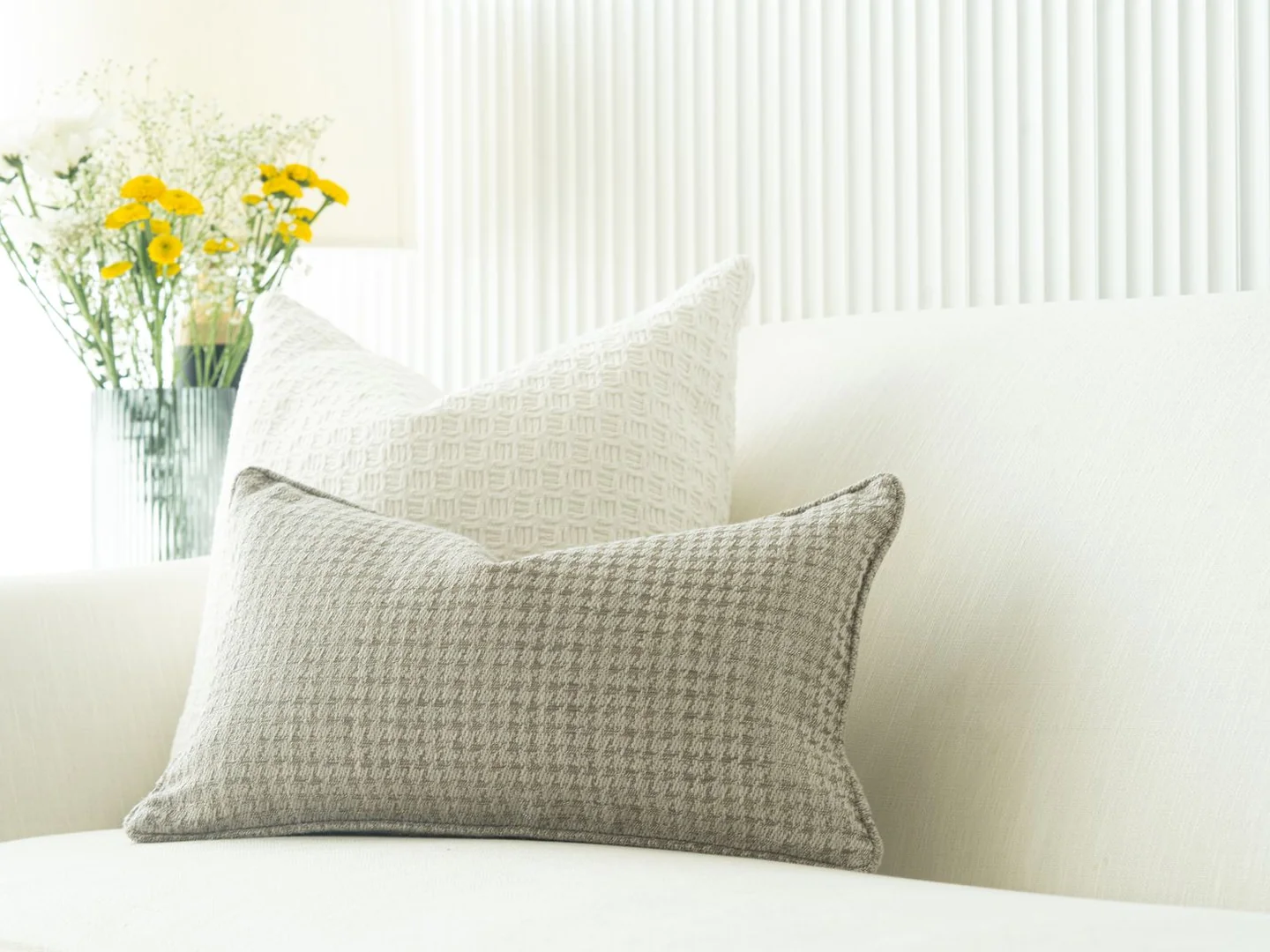
Stand back and notice which cushion attracts attention first. If all demand the same attention, reduce the contrast of one or remove it. A quieter fabric does not have to be boring; its weave or subtle colour can contribute without another strong motif.
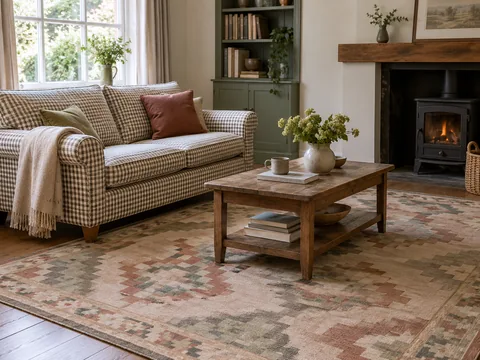
Check the curtains and rug from the same viewpoint. The cushion group may be small, but it joins the room's existing patterns. If the whole arrangement feels busy, changing one cushion to a plain cover can be more effective than searching for a fourth pattern to connect everything.
Finally, sit down. A mix of patterns succeeds only if the number, shape and filling of the cushions suit the seat. Keep the pieces that are comfortable and visually useful, and allow the group to change when a cover needs washing rather than treating it as a display that must remain untouched.