Find the area the rug is meant to connect
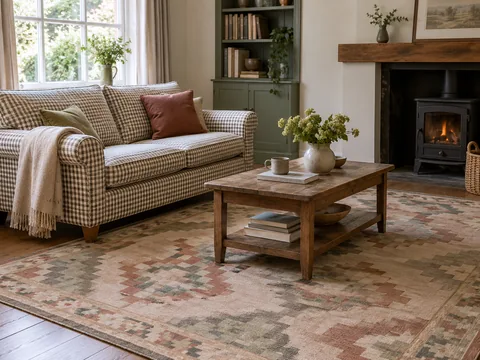
A rug under a coffee table can look strangely detached when it stops well before the sofa. The problem is not necessarily its pattern or price. It may simply be too small to connect the furniture you expect it to bring together.
Start with the sitting arrangement. Measure the sofa, the distance to any facing chairs and the position of the coffee table. Note where people walk through the room. The rug is being chosen for that group of furniture, not for the empty rectangle of floor at the centre of the room.
If you intend to move the sofa, test that position first. Buying a rug for an arrangement that is already inconvenient makes the wrong layout more expensive to change. Use the room for a day with the furniture in its proposed position, checking doors and access to sockets before settling the rug dimensions.
Try more than one relationship to the legs
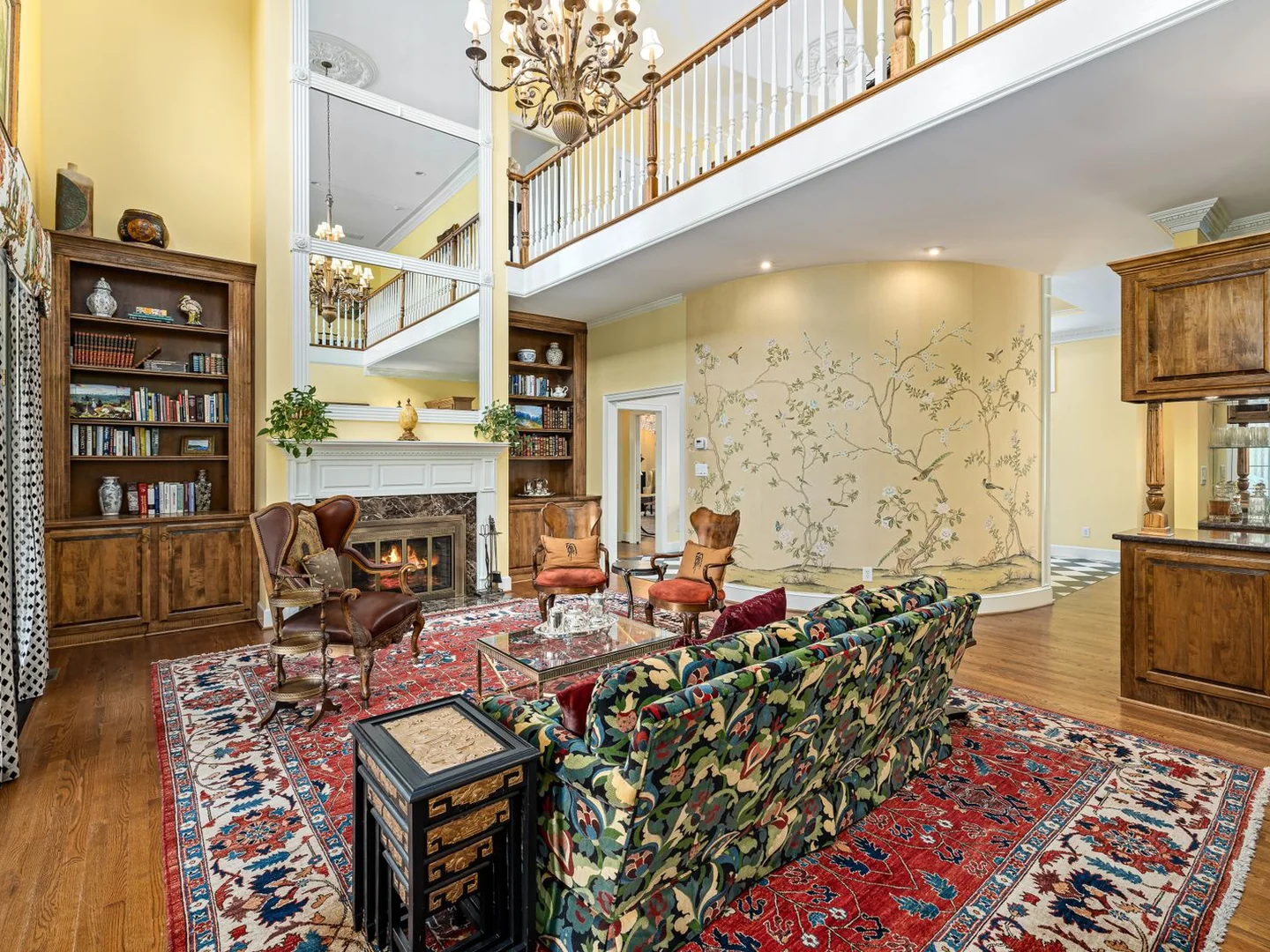
One option is to place the front legs of the sofa and nearby chairs on the rug. This creates a visible connection while allowing the back of the furniture to remain on the main floor. Another is to place the whole seating group on a larger rug, where the room has space. A smaller rug can work as a separate island, but it should look deliberate rather than almost reaching every seat.
There is no requirement that all furniture legs obey the same formula in every room. What matters is that seats are stable and the edges do not create awkward half-on positions or trip points. Check how a chair feels when somebody sits down and moves it slightly.
For a compact sofa, a rug wider than the sofa often gives a more settled outline than one exactly the same width. But the useful amount depends on the room and furniture. Mark the actual sizes offered by the retailer instead of choosing a theoretical dimension that cannot be bought within your budget.
Mark the candidate sizes on the floor
Use paper or a suitable temporary marking method that will not damage the floor. Avoid leaving loose strips across a route. Outline the smallest plausible size and then the next size up. Put the coffee table back in place and look from the doorway and the sofa.
This test reveals more than a tape measure held in the air. A larger rug may reach a door, cover an attractive floor detail or crowd the fireplace. A smaller one may leave the chair outside the group. You can judge those trade-offs before ordering a heavy item.
Measure clearances with doors open and recliners or sofa beds in use if the room contains them. A rug that suits the daytime arrangement may interfere with a mechanism or an opening that was absent from the showroom photograph.
Account for the coffee table and visible pattern
A large coffee table hides a substantial part of the rug. If the design has a central medallion, decide whether you will actually see it. A border pattern or a more evenly distributed design can read differently around the furniture.
Do not buy a larger size only to reveal a motif. Check whether that size still supports the room's circulation. Equally, do not reject a useful size because the online product photograph shows the whole pattern unobstructed. In a sitting room, part of a rug normally lives beneath furniture.
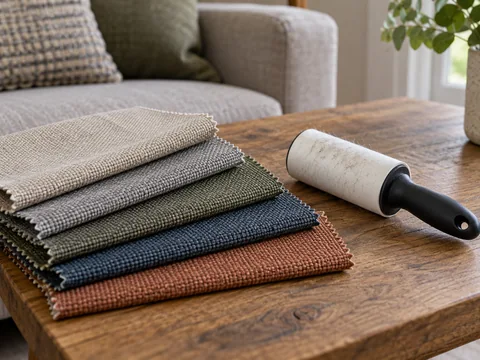
Colour should be tested alongside the sofa and floor. A small swatch or sample can help with the relationship, though it cannot show the complete scale of a pattern. Review the full product image and measurements together, keeping screen colour limitations in mind.
Include the layer underneath
Check the rug maker's underlay recommendation and its compatibility with the floor beneath. A suitable underlay may affect the total thickness and how the rug sits at its edges. If the room has underfloor heating, confirm compatibility with both the rug system and floor or heating guidance.
Do not assume one underlay works on every floor finish. Ask about the actual combination, particularly with newly finished timber or a floor that has specific care restrictions. The rug needs to remain stable without compromising the surface below.
Before ordering, check delivery access, return conditions and whether the size has a stated manufacturing tolerance. Those details matter when the planned fit is very tight. A few extra centimetres can be relevant beside a door or hearth even when they would be unimportant in a larger room.
Choose the size you can live around
The final size should look connected to the seating, leave a sensible route and accommodate everyday movement. Walk through the marked arrangement carrying a tray and pull the chairs into their normal positions. These ordinary actions test the choice better than standing still in the doorway.
Once the size works, pattern and texture become easier decisions. You are choosing among rugs that fit the room rather than trying to persuade the furniture to accommodate a favourite image. Keep a record of the accepted dimensions so future browsing does not reopen sizes you have already ruled out.