Begin at the time you sit down
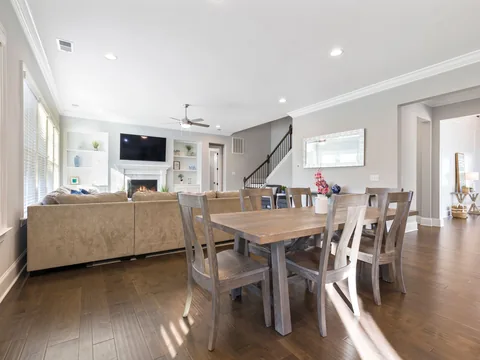
A sitting room may receive lovely light at eleven in the morning and very little of your attention then. If it is mainly used in the evening, choose paint while looking at the conditions in which you will actually see it.
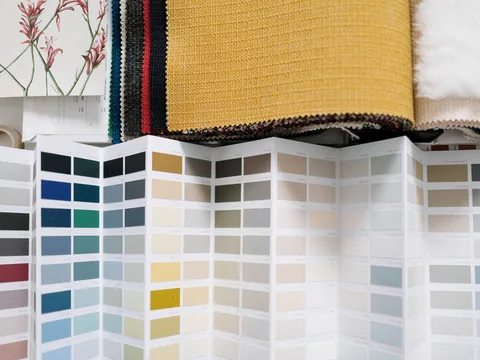
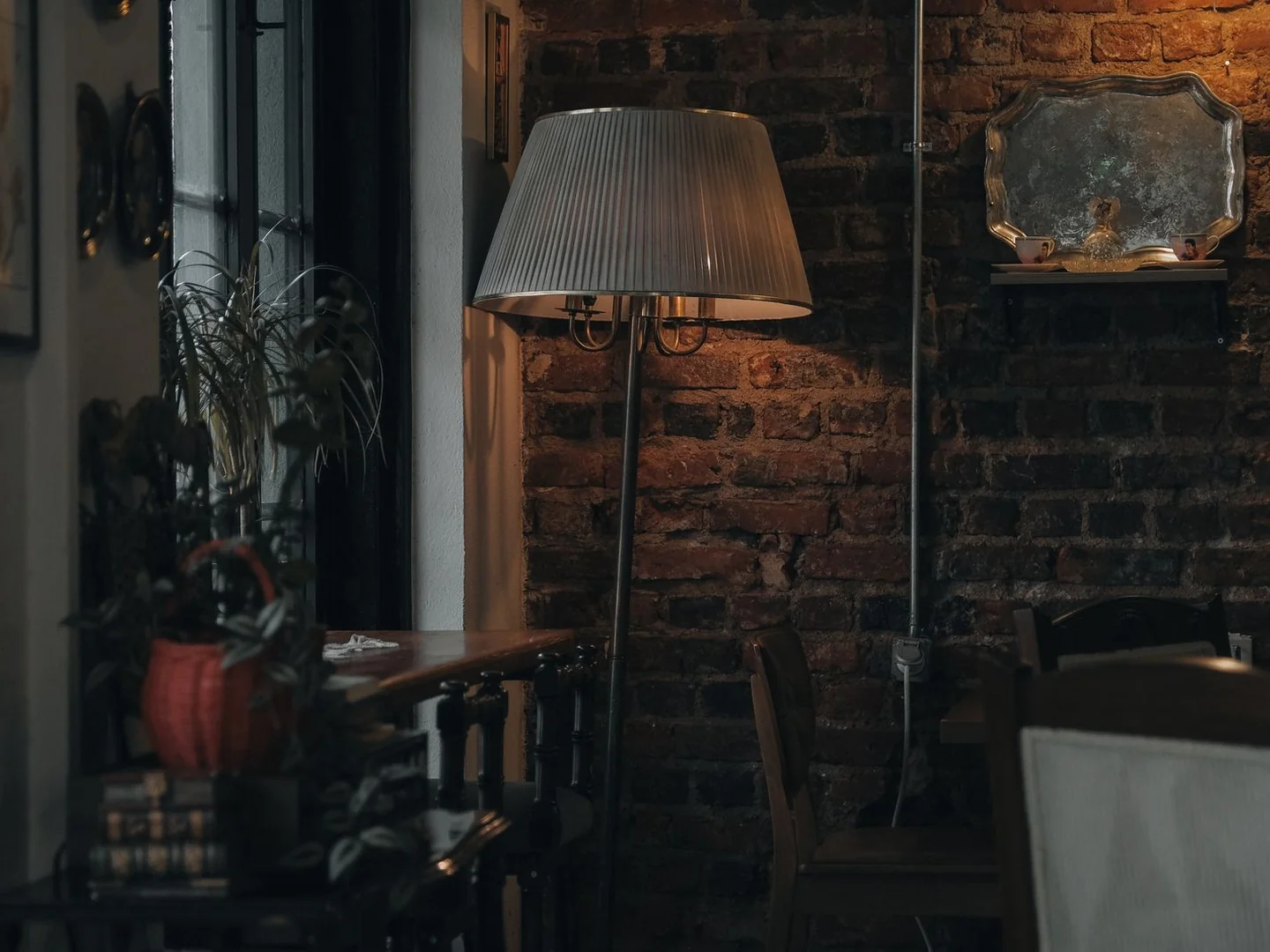
Put samples beside the sofa and switch on the normal lamps. Keep their shades in place. A bare bulb or a temporary decorating light can make the comparison misleading because it is not the finished arrangement.
Notice whether the room has several distinct pools of light or one central source. A single colour can look quite different in each area. You are not trying to eliminate every shadow, but you should know which parts of the wall become dominant after sunset.
Settle the lighting changes early
If new lamps are part of the plan, choose their position and type before finalising the paint. The room's appearance depends on both. Follow the fitting's bulb specifications and consider comfortable task light as well as atmosphere.
A warm cream wall might look gentle beneath one lamp and quite yellow beneath another. A muted blue could feel deeper at night than it did near the window. Instead of relying on the colour's name, compare physical samples in those exact positions.
Check the largest textiles too. Curtains close into a much larger coloured surface in the evening. A scheme judged with them open may change substantially once their fabric covers the window.
Keep a daytime check in the process
Even an evening room has a morning. Look at the favourite sample in daylight before committing, especially if it is used at weekends. It need not be equally striking at every hour, but an appearance you strongly dislike will not disappear just because the room is usually occupied later.
Try the paint beside the ceiling and woodwork colours as a group. Strong white edges can become very visible in a softly lit room, while related pale shades make the divisions quieter.
When a colour works through the room's real routine, resist the urge to choose a brighter alternative merely to improve a daytime photograph. The useful decision is the one that makes sense when the curtains are drawn, the lamps are on and somebody is reading on the sofa.