What happens on an ordinary evening?
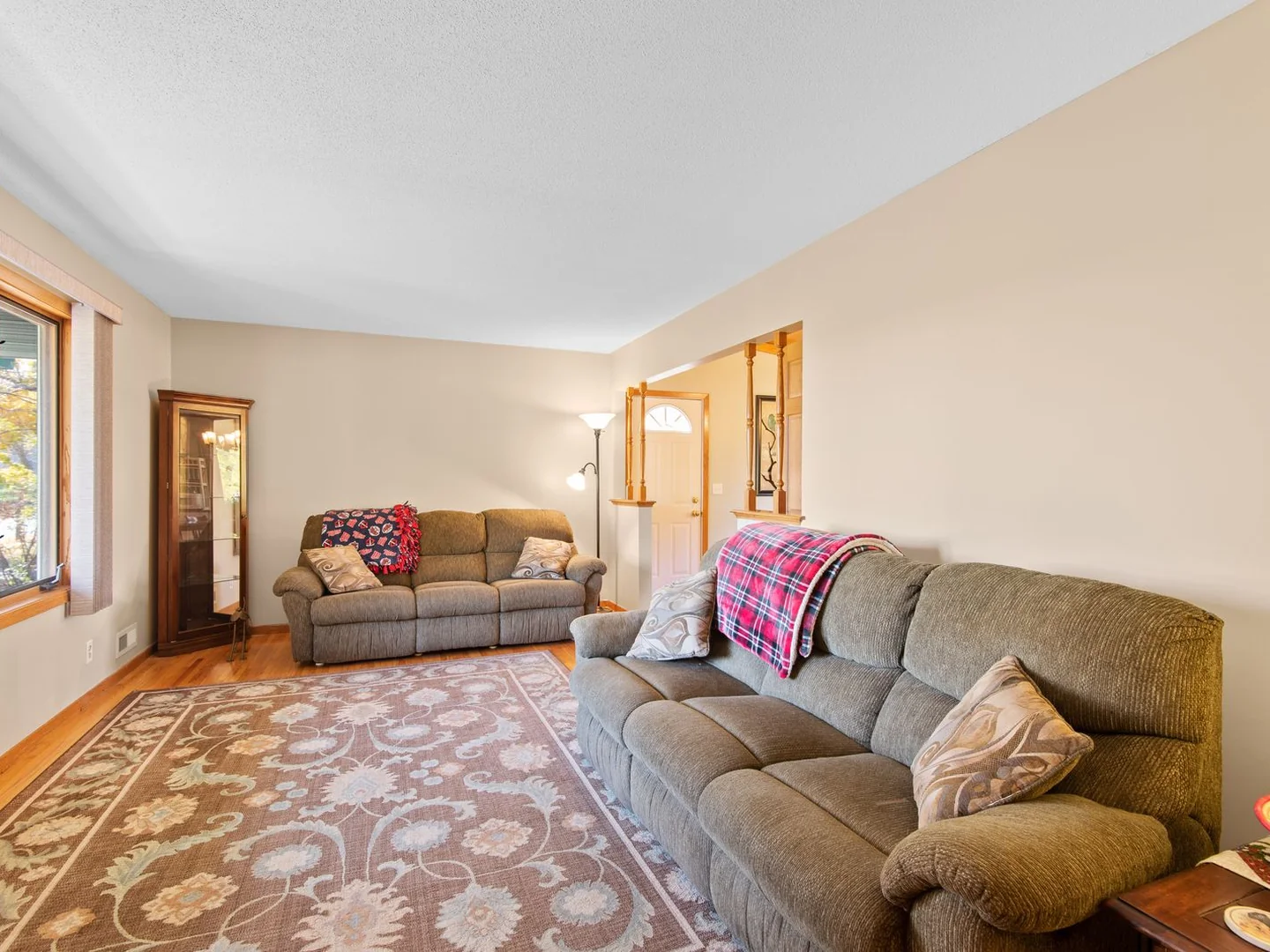
Two sofas can make a sociable arrangement when several people regularly sit together. Facing them across a table gives each seat a clear relationship to the others. It also creates a substantial block of furniture, so measure both pieces at their full depth and leave a route around the group. Two small sofas do not necessarily occupy less floor than a sofa and two chairs.
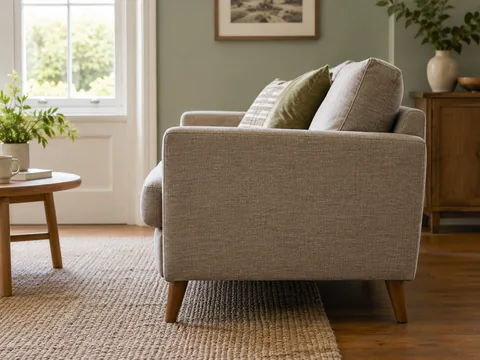
A sofa with separate chairs offers more freedom to turn towards conversation, a window or a television. The chairs need not match each other, but consider whether their sitting heights work alongside the sofa. A very low lounge chair and an upright dining-style chair can make the people sitting in them feel as though they are in different arrangements.
Count comfortable seats
A sofa described as a three-seater may be used by only two people who prefer more room. Conversely, a compact sofa may be enough if one person generally sits elsewhere. Count the seats as your household uses them, rather than relying entirely on the retailer's name for the size.
Separate chairs can be easier to move for guests, but some chairs are heavy or awkward to grip. If flexibility is the reason for choosing them, test how easily they can actually change position. A chair that cannot pass the coffee table without lifting it may not offer the freedom you expected.
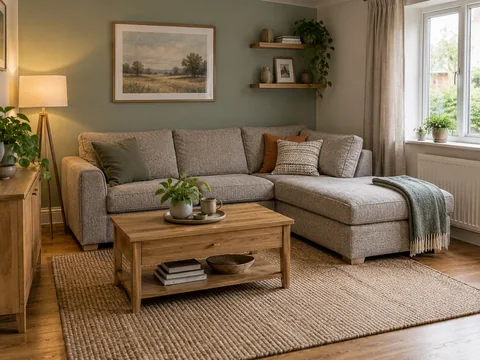
For a television-focused room, face-to-face sofas can leave several people turning sideways. An L-shaped arrangement may work better, although it can crowd the corner where the two pieces meet. Draw both footprints, including their arms, and test whether the person in that corner can reach a table and stand up without disturbing someone else.
A room used by two people most evenings but six people occasionally does not necessarily need six substantial permanent seats. Two extra chairs could come from the dining area for a short visit if their height and comfort are suitable. On the other hand, frequent long gatherings justify planning the full group properly. The distinction helps avoid filling a small living room for a situation that rarely occurs while making daily use less comfortable.
Leave room for the supporting pieces
Every seating option brings small requirements. People need somewhere to place a glass; a reading seat needs light; a footstool needs a place to move when someone stands. A pair of large sofas can leave no room for these ordinary details. One sofa with a carefully placed chair may serve the same household more comfortably.
Try the layout without a central coffee table. Side tables can make an arrangement less rigid, especially when chairs move. If you prefer a large shared table, ensure each seat can use it without an exaggerated reach. The table belongs to the seating group, not automatically to the geometric centre of the room.
There is no requirement to buy the whole group at once. Keep the sofa you already like and test a chair borrowed from another room for position and scale. Its comfort may not be right for permanent use, but it can show whether a separate seat improves the layout before you commit to another substantial piece.