Make the proposal easy to picture
Would it be all right to improve the bedroom can mean anything from changing a bedspread to removing built-in furniture. Start by naming the precise change. For example, describe one wall, the proposed finish and whether existing fittings would be disturbed. A short, clear proposal gives the landlord or agent something concrete to consider.
Check the terms of your tenancy and any relevant written guidance first. If permission is required or the position is unclear, discuss the idea before buying materials or beginning work. A product being described as removable does not itself establish that its use is permitted in your particular home.
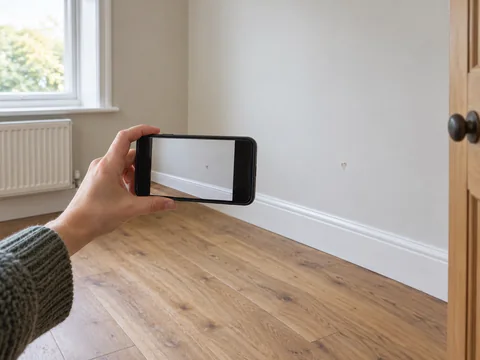
Include a photograph of the current area and a small sample or product link. Explain the dimensions and location rather than relying on a moodboard full of unrelated rooms. The aim is to remove ambiguity, not to produce a professional presentation.
Explain the work behind the appearance
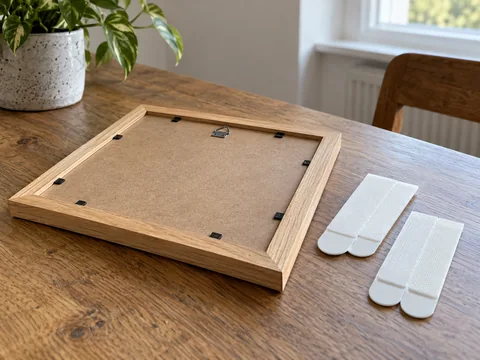
State whether the plan involves paint, adhesive, drilling or replacement hardware. Mention any surface preparation that would alter the existing finish. A removable wallpaper proposal, for instance, needs more explanation than a picture of the final pattern because its suitability depends on the wall underneath.
If someone will carry out the work, explain that arrangement without inventing qualifications or assuming approval. Fixed electrical work, structural changes and other specialist tasks are separate matters from ordinary styling. Keep the proposal within what you are actually prepared and authorised to arrange.
Ask what should happen at the end of the tenancy. Should the original items be stored and reinstated? Is a particular finish expected? Put the agreed details in writing so there is a shared reference later. This is a way to document the conversation, not a substitute for advice about a disputed tenancy.
Keep an alternative ready
Have a version that changes only your own movable belongings. A colourful bedspread, different freestanding lamp or suitable rug can sometimes provide much of the desired effect without altering a wall. That makes it easier to decide whether the proposed work is worth pursuing.
Do not spend heavily while waiting for an answer. Samples and measurements can inform the discussion; full quantities of cut fabric or non-returnable materials can leave you committed before the practical details are settled.
Once an agreement is reached, save it alongside the room photographs and product instructions. Keep the finished work within the described scope. If the plan changes during preparation, return to the conversation rather than treating the first response as blanket permission for unrelated improvements. A clear request is useful because it remains clear all the way through the project.