Read what the width describes
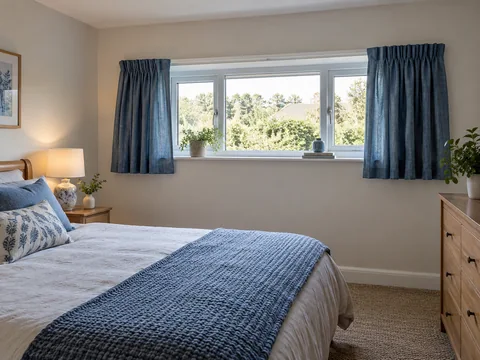
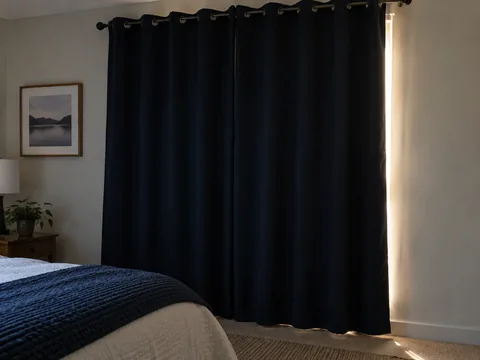
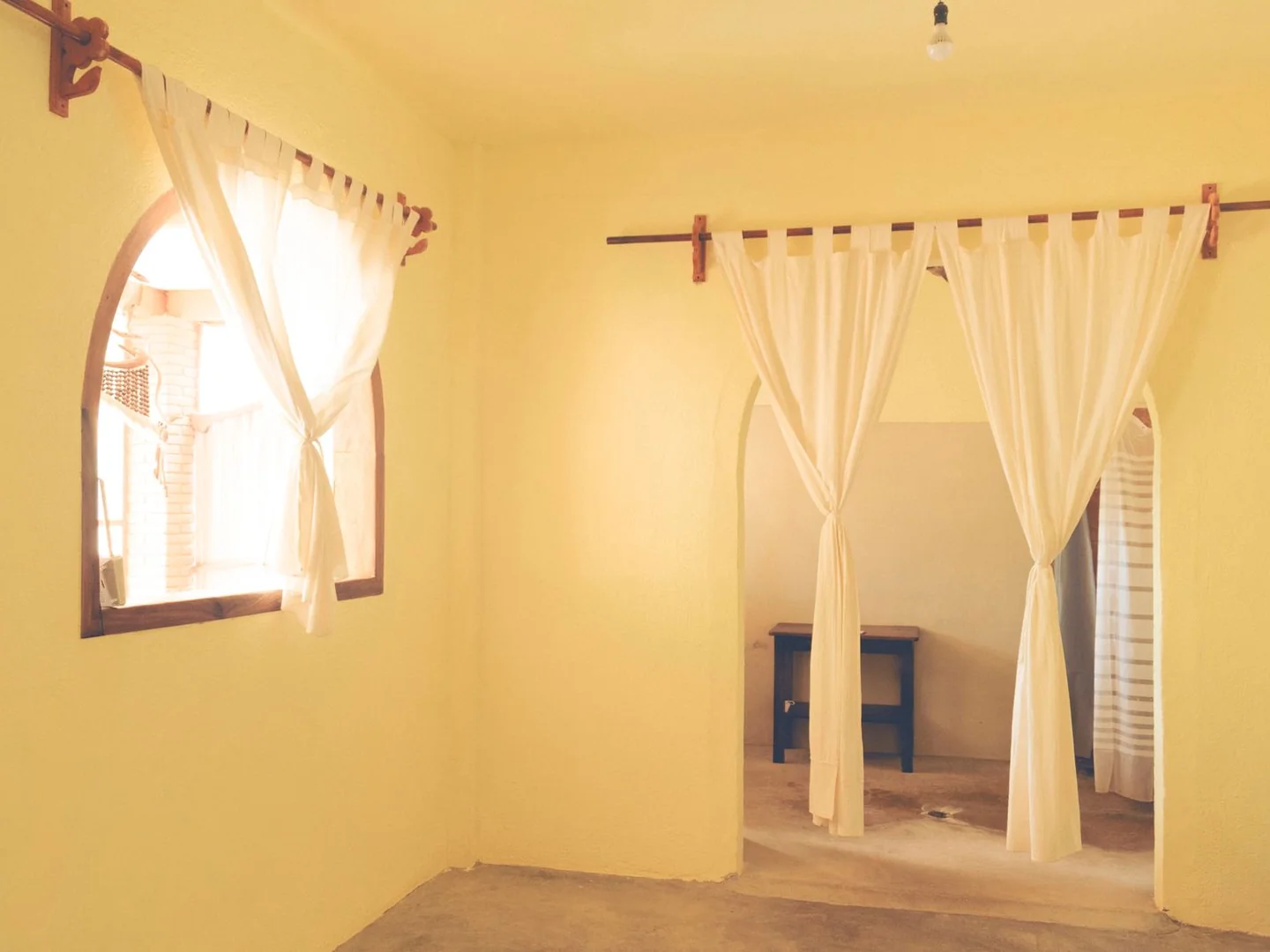
Two curtains can cover the same window and look very different when closed. One pair forms generous folds; the other stretches almost flat. The difference is often the amount of fabric relative to the usable pole or track width, rather than the length of the curtains or the size of the window glass.
Start by reading the retailer's definition of width. A ready-made listing may give the width of each flat panel, the pair, or a recommended track range. A made-to-measure supplier may ask for the track width and calculate fabric requirements itself. Do not add a fullness allowance until you know which measurement the supplier wants.
Measure the working length of the fitted track or pole according to its instructions. Decorative finials usually do not form part of the curtain's travel. If the system includes a special overlap or return, use its measuring guide rather than assuming a straight pole calculation will cover every detail.
Use a numerical example carefully
Suppose a simple pole has a usable width of 200 cm. Two panels that are each 200 cm wide when flat provide 400 cm of fabric across that span, a ratio of two to one before considering the heading's details. Two panels each 100 cm wide provide only 200 cm, so they would have little spare fabric for folds if asked to cover the whole span.
That arithmetic explains the idea; it is not a universal instruction to buy double width. Different headings, fabrics and manufacturers use different recommendations. A fixed pleat is already constructed into the heading, while a gathered tape is adjusted during hanging. Wave-style systems have their own spacing and fabric requirements. Follow the system you actually intend to use.
If a product page lists a recommended pole range, compare your measured pole with that range instead of reverse-engineering a guess from a photograph. Ask the retailer for clarification when the wording is ambiguous. It is better to settle whether a measurement means one panel or a pair before opening the packaging.
Think about the open curtains too
Extra fabric has to go somewhere when the curtains are drawn back. A thick, lined pair may form substantial stacks at the sides. If the pole ends just beyond the glass, those stacks can cover more daylight than expected. A lightweight fabric and a compact heading behave differently from interlined fabric with deep folds.
Look at the wall available on each side of the window. A nearby corner, cabinet or second window may limit how far the stack can move. Extending a pole is not always possible or appropriate, so the curtain choice may need to respond to the space rather than the other way round.
Ask to see the chosen fabric gathered or view a display using a similar heading. A flat sample shows colour and texture, but it does not tell you how bulky the open curtain will be. Include lining in that assessment if the finished curtains will have one.
Balance the heading across the pair
When using a gathered heading, the folds should be arranged according to its instructions and the two panels should be prepared consistently. Do not pull one side very tightly to compensate for an incorrect total width. The curtains need to close as intended and hang comfortably, not simply meet for a photograph.
If the pattern has a strong horizontal or vertical rhythm, fullness also changes how much of it remains visible. A large flower can disappear into a fold, while a stripe becomes part of the fold pattern. View the fabric both flat and gathered before deciding that the print will look a particular way across the window.
Keep the intended opening direction in mind. A single curtain drawn to one side is not the same order as a central-opening pair. The width, stack position and hardware need to agree with that arrangement.
Confirm the order in plain language
Before paying, write a short description alongside the measurements: one window, central-opening pair, chosen heading, usable pole width and required drop. Add the exact lining and fabric where applicable. This catches misunderstandings that a bare list of numbers can conceal.
For ready-mades, check the packaging quantity and whether the stated width is per panel. For custom curtains, confirm whether the supplier wants finished width or the size of the track. Keep the response with the order details.
The right fullness is not simply the largest amount of cloth you can afford. It is enough material for the intended heading to work, with an open stack that fits the room and a closed appearance you enjoy. Those three conditions are more useful than a single ratio applied to every window.