Look below the window first
A curtain can look exactly right in a photograph and be awkward in the room where it has to open every morning. Before comparing fabric, look at the space beneath your window. Note any radiator, socket, desk, window seat or door that the cloth would reach. Then stand where you normally enter the room. This gives you both halves of the decision: what the curtain needs to clear and the line you want to see.
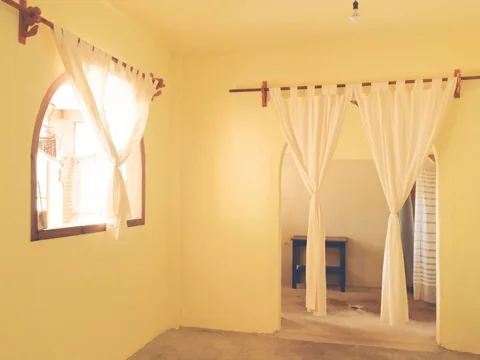
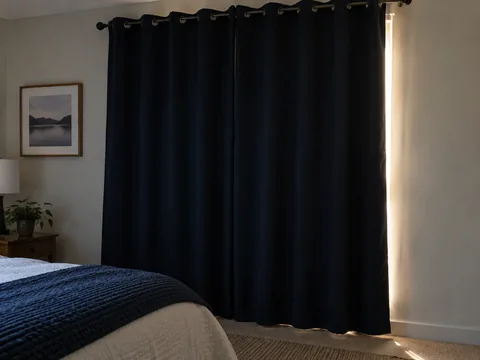
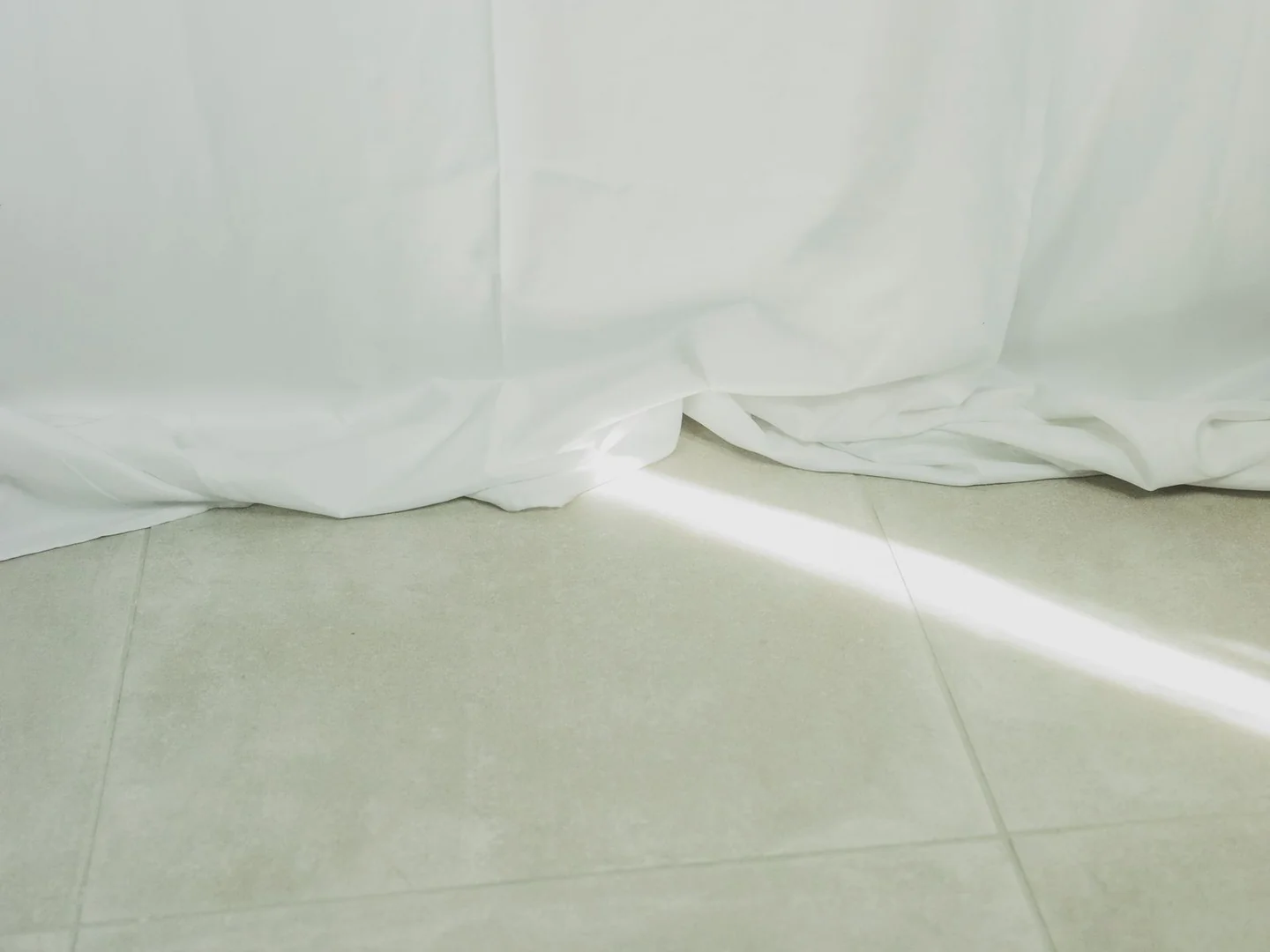
Floor-length curtains make a continuous vertical shape and can suit a room with an unobstructed window wall. A small gap above the floor keeps the hem from sweeping through dust or being trodden on. Pooling fabric is a deliberate decorative choice, but it needs spare floor space and more handling. It is rarely helpful beside a frequently used route, a pet's bed or a chair that moves in and out.
A shorter finish can be the sensible one
Where a hot-water radiator sits below the sill, a curtain that stops above it allows the heater to remain uncovered when the curtains close. Energy Saving Trust advises against blocking radiators with curtains. Check the heater manufacturer's clearance instructions too; electric heaters can have different requirements, so a general curtain measurement is not a substitute for those instructions.
A sill-length curtain may also work above a desk or window seat. Decide whether the hem should stop within the recess or below the sill, then check that the opened curtain still clears handles and anything resting on the sill. Avoid a length that only works while the room is staged with every object removed. If you want full-length side panels around a working blind, make sure the entire arrangement remains clear of the heater rather than treating the panels as exempt because they stay open.
Measure from the heading you will actually use
The top of the window is not the start of the curtain drop. A pencil-pleat heading hangs from hooks; an eyelet heading sits around and above the pole. Use the retailer's measurement instructions for that heading and, where possible, measure after the pole or track is in its final position. Moving a pole later can turn a carefully chosen drop into the wrong one.
Measure in more than one place along the proposed hem line, particularly above an old floor that slopes. Write down the actual measurements before choosing a finished drop or arranging alterations. A strip of low-tack tape on a suitable surface, or a length of fabric temporarily held in place, helps you judge the stopping point from across the room without relying on a tiny online photograph.
Check the everyday movement
Imagine opening the window, drawing the curtains and cleaning the floor. The hem should not catch a door or gather beneath a moving chair. If the track has cords, include their safety in the choice: RoSPA warns that corded curtain tracks can pose the same strangulation risks as blind cords. Follow the system's safety instructions and keep furniture that children could climb away from window cords. A neat hem is only one part of a window covering that works.