Look at the whole edge
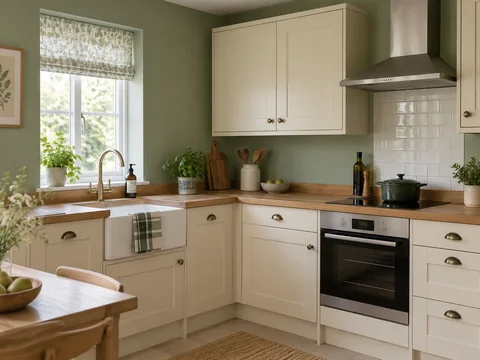
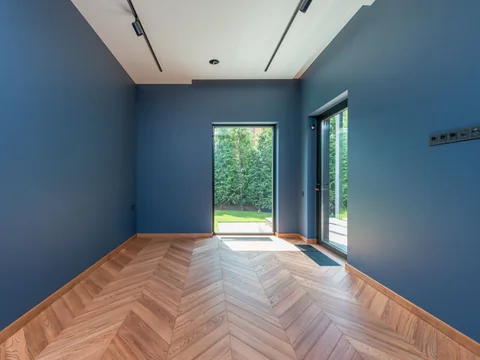
Skirting is easy to choose in isolation because the decision sounds small. Yet it runs past doors, corners, alcoves and furniture, often around most of the room. A bright white strip below a dark wall can become one of the strongest lines in the scheme.
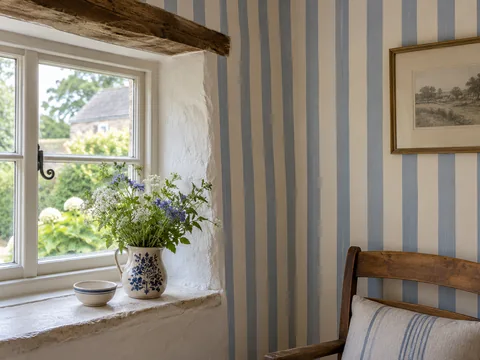
If you want that architectural outline, contrast is useful. White skirting can connect with white doors and window frames, particularly where those elements already form a consistent set. If you want the wall to read as a larger continuous surface, matching or closely relating the skirting colour can make the division quieter.
Look at the height and profile of the existing boards. A tall moulded skirting has more presence than a narrow plain one. You may want to emphasise a profile you enjoy, or let a simpler board disappear beside the wall.
Same colour does not mean the same product
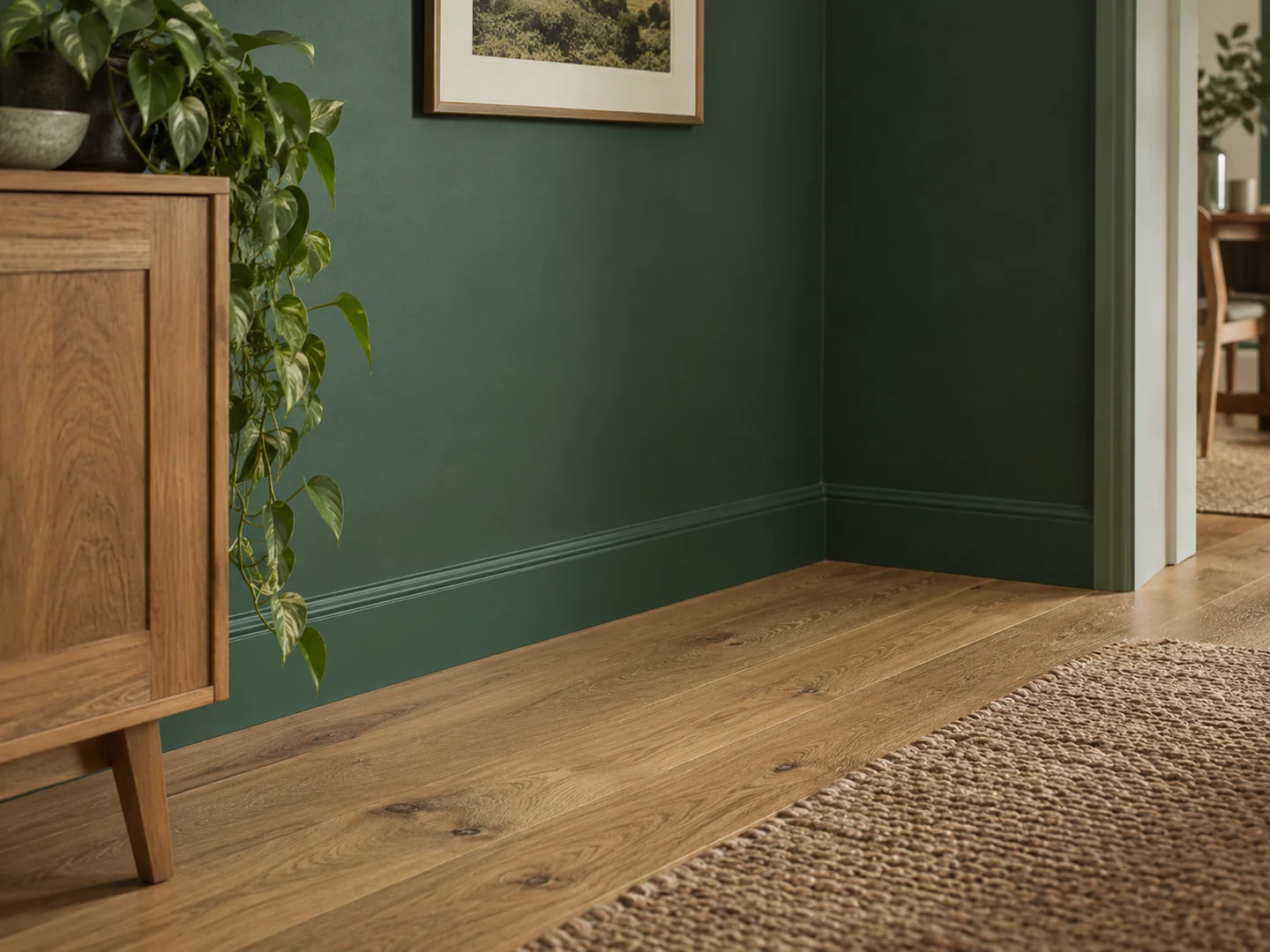
Walls and timber may need different coatings. Choose products specified for each surface, even when ordering the same colour name. Their sheen and texture can make the finished colours look slightly different, which is not necessarily a problem: the moulding can remain visible through light and shadow.
Compare a sample beside the floor as well as the wall. Dark green skirting against honey oak makes a stronger lower edge than the same green against a dark carpet. The floor changes the decision without either paint colour changing.
Include the door frame in the plan. If the skirting is green and the frame is white, decide where the colours meet. A small sketch saves an awkward conversation when a painter reaches the junction.
Try the less dramatic option too
There is room between pure white and a perfect wall match. A slightly deeper or lighter version of the wall colour can pick out the moulding gently. This may suit a room where full contrast feels busy but complete colour continuity feels too flat.
View the proposed line from the doorway before committing. Furniture will hide part of it, so judge the sections you will actually see. The best choice is the one that supports the room's larger shapes, whether that means drawing the boundary clearly or allowing it to sit quietly below the furniture.