Obtain the delivery dimensions
Start with the retailer's information for the exact model and configuration. Ask whether the furniture arrives assembled, partly assembled or in separate packages. A modular sofa may arrive in manageable sections, while its largest corner module remains substantial. The assembled room dimensions do not necessarily describe the item the delivery team must carry.
Check which parts, if any, can be removed for delivery by the authorised team. Do not assume legs, arms or backs detach because another model works that way. Removing components yourself may affect the product or its warranty, and the delivery arrangement may not include that work. Obtain a clear answer in advance.
For flat-packed furniture, record the largest package dimensions and the space needed to assemble it. A cabinet may enter the home easily but need more ceiling height to raise upright than the room offers. Delivery access and assembly access are related questions, but neither answers the other completely.
Walk from the street to the room
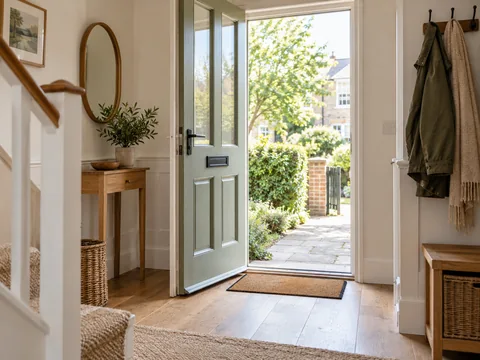
List every constrained point: gates, external steps, entrance doors, communal corridors, lifts, stairs and the final room door. A generous front door is not enough if a tight turn follows immediately behind it. Note fixed objects such as handrails, radiators and low light fittings that reduce the usable route.
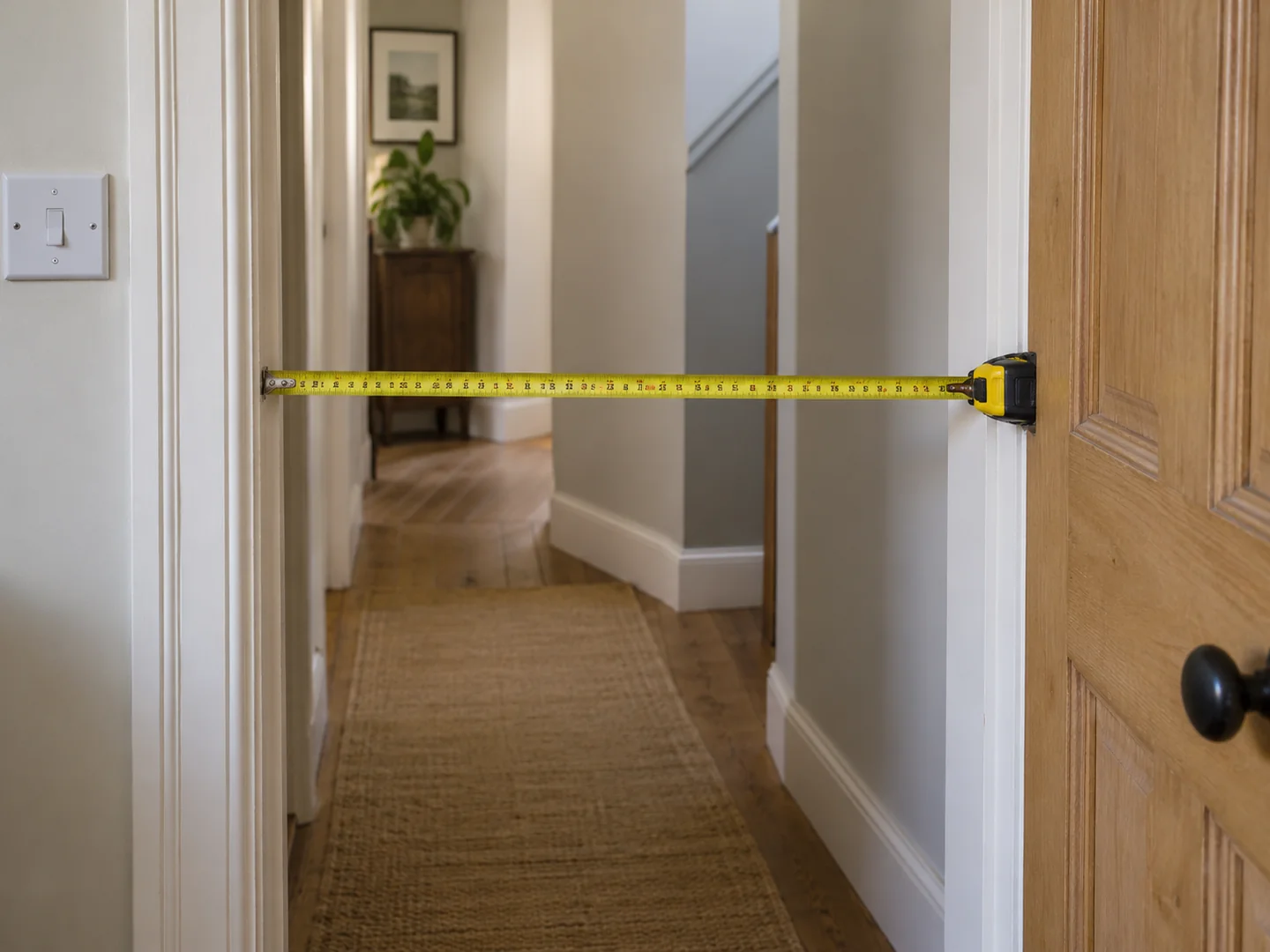
Measure clear openings rather than frame-to-frame distances that include an open door leaf or projecting handle. Record the height as well as the width. If a door cannot open fully, the available passage may be narrower than expected. Do not plan to remove a door or fitting without agreement and appropriate help.
For a flat, check the building's delivery arrangements. A lift has an internal size and a door opening, and both matter. There may also be booking, access or protection requirements set by the building. Confirm these directly rather than assuming the furniture retailer will know them automatically.
Treat turns as three-dimensional problems
A long piece may pass through a doorway but fail to turn in the hall beyond it. Staircases add a ceiling or bulkhead above the route. Record the spaces before and after a corner, not just the narrowest doorway. Photographs can help a retailer assess the situation when accompanied by measurements.
John Lewis's sofa fitting guidance distinguishes the room fit from the route into the property and covers doorways and stairs. Use the relevant retailer's own fitting process for your order. A simple comparison of one furniture width with one door width is not enough to guarantee a successful delivery.
Do not treat a diagonal measurement as a universal pass or fail calculation. Furniture shapes, protective packaging, lifting positions and the available turning space all affect the move. If the route is close, send the retailer a clear sketch and photographs or ask about an access assessment before committing.
Prepare the destination as well
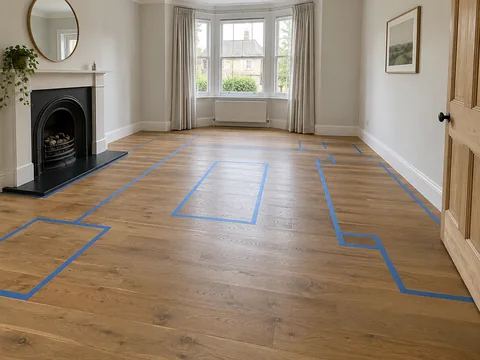
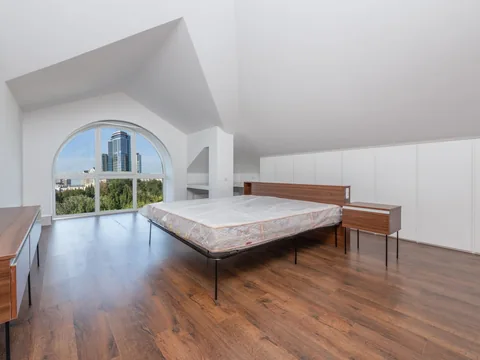
The delivery team needs somewhere to place the item and, where included, carry out assembly. Clear small furniture and loose objects from that area. Check the delivery service's terms for packaging removal, installation and moving existing furniture; these tasks are not automatically part of every order.
Protecting floors and walls should follow the delivery team's guidance and the requirements of your finishes. Avoid improvised coverings that slide or create a trip hazard. Keep children and pets away from the route during the move so the team can work without unexpected obstacles.
If old furniture must leave before the new piece enters, plan that removal separately. A room can have ample space for the new sofa but not for both sofas and the people carrying them. Confirm the timing of any collection service rather than relying on an assumed handover.
Resolve uncertainty before the delivery date
Ask what happens if access proves impossible. The retailer's terms may distinguish made-to-order products, failed delivery charges and cancellation rights, so read the terms applying to your purchase. This article cannot establish the conditions of an individual order. Keep the retailer's written advice with your measurements.
Where a route remains doubtful, compare another configuration or a design that arrives in smaller authorised sections. That is often simpler than planning an exceptional move through a window. Any specialist access operation requires a proper assessment and should not be improvised on delivery day.
Keep a copy of the final model details and the route notes. If you later change the sofa size or cupboard option, revisit the check. Similar product names can hide meaningful differences. The aim is not to become a removal specialist; it is to give the supplier accurate information early enough for a workable delivery plan.