Count the ordinary days
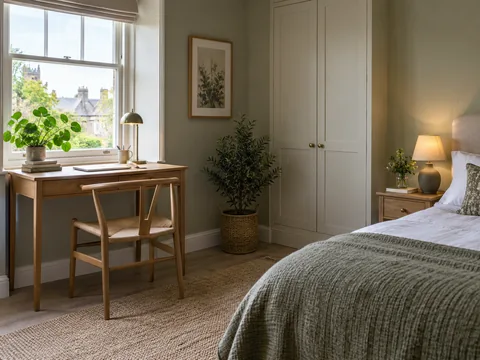
A spare room might be an office, a place for sewing or somewhere to keep household paperwork. Give that regular activity enough room to work properly. Reserving the entire floor for occasional guests can leave the rest of the home crowded for most of the year, while treating the sleeping arrangement as an afterthought can make visits unnecessarily difficult.
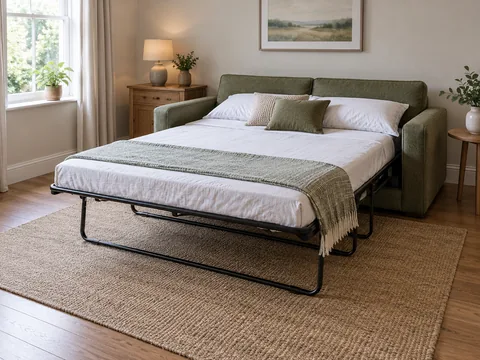
Consider who usually stays and for how long. A single overnight visitor needs a different arrangement from a couple staying for a week. Choose sleeping furniture for the people expected to use it and try it in person where possible. A chair that unfolds into a bed may fit the room, but its mattress and access still have to suit the guest.
Write down the conversion steps before buying anything. Where does the desk chair go? Which table moves? Where is the bedding kept? A plan that depends on several pieces being carried into a hallway may be less convenient than a smaller permanent bed. Keep escape routes and doors clear in both arrangements.
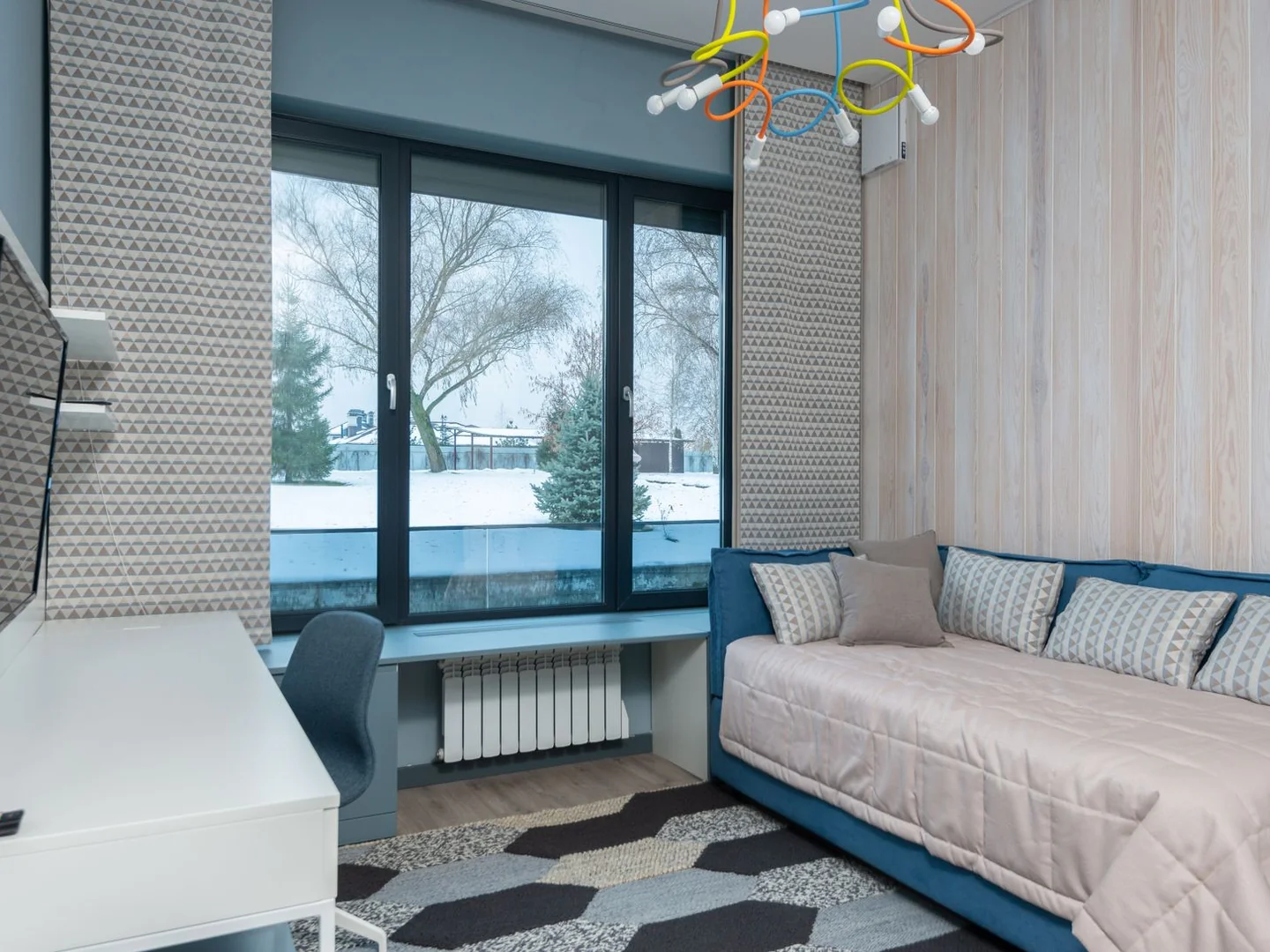
A permanent single bed can sometimes be a simpler option than a complicated convertible piece. It may leave enough floor for a desk while avoiding a changeover mechanism altogether. A daybed has its own requirements for comfortable sitting, including cushions and their storage at night, so do not assume it automatically performs both roles well. Compare the ordinary bed and convertible options at their actual sizes. The room may benefit more from one straightforward sleeping place than from a larger sofa that offers occasional double sleeping but crowds the weekday workspace.
Think about whether bedding can be prepared before a visitor arrives without interrupting a working day. That timing can influence which arrangement is most convenient.
Give the sleeping footprint its full size
A sofa bed has at least two dimensions that matter: the closed footprint and the open one. Some designs also need space to operate the mechanism. Obtain the product instructions or a dimensioned drawing so the plan includes that movement rather than only the final mattress position.
Check access to the sleeping position from the door and, for a double, the sides people will use. A guest should not need to climb over a desk corner to get into bed. Add a reachable surface for glasses or a phone and consider a light that can be switched off from bed without crossing the room in darkness.
Storage for bedding should be close enough to make the conversion easy. A clean, dry cupboard is preferable to repeatedly borrowing space from the working desk. If bedding is stored within the furniture, check the compartment's size and access before assuming it holds a full duvet and pillows.
Keep the weekday job usable
For an office, assess the workstation in its everyday arrangement. The desk and chair need to suit the user and equipment; a guest bed should not force an awkward working position for months at a time. The HSE's home-working guidance is a useful starting point for relevant workstation assessments, especially where the work is for an employer.
A craft room has different needs. Materials may need a stable work surface, daylight and protected storage. Put away sharp tools, loose parts and unfinished projects before the room becomes guest accommodation. Closed storage can make that change straightforward without requiring every object to leave the room.
Do not rely on the bed as the only staging surface for the room's other activity. If paperwork or fabric normally spreads across it, decide where that work goes when guests arrive. A nearby clear shelf or a dedicated box can be more valuable than another decorative piece of furniture.
Leave space for the visitor's belongings
Guests need somewhere for a bag and a few clothes, even in a small room. An empty section of a cupboard or a stable luggage surface may be enough. Avoid filling all available storage with household overflow and expecting visitors to live from a suitcase on the only walking route.
Privacy and light control matter too. Check the window covering from the sleeping position and look at light spilling in from the landing. These are small details to test before a visit, not reasons to add an elaborate hospitality setup. A comfortable room can remain plainly furnished.
Try the full changeover on an ordinary weekend. Open the bed, make it, place a bag where a guest would put it and walk around. Then restore the weekday arrangement and note what was awkward. The right dual-purpose room can change jobs with a few manageable steps, while keeping both uses honest about the space they need.