Centre it on the activity
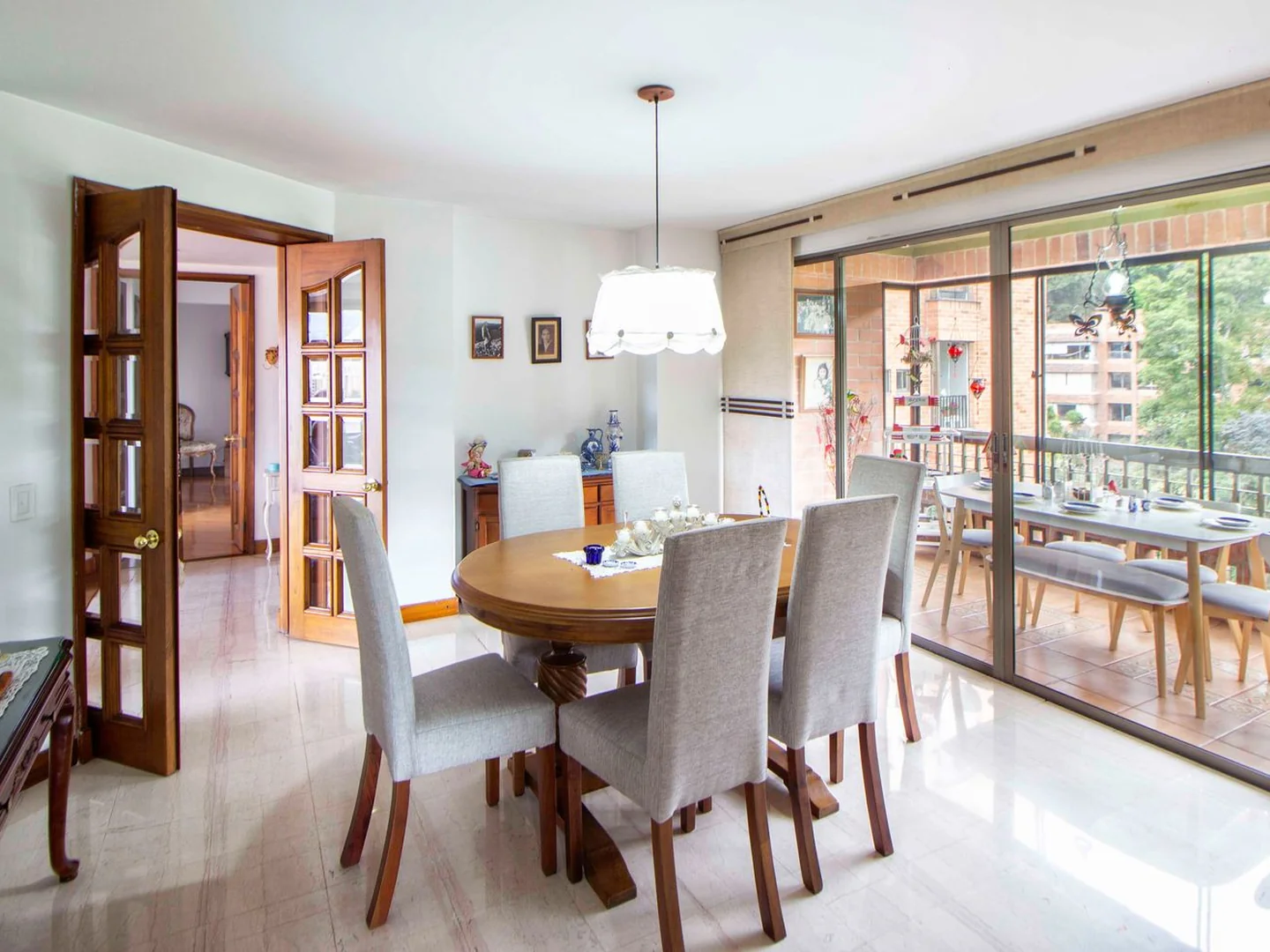
The centre of a ceiling is not always the centre of a dining area. In a room shared with a sofa or kitchen, the table may sit to one side. Start with the furniture position that leaves a comfortable route around the chairs, then consider the light above it. Moving a table into an awkward position merely to line up with an existing fitting is rarely a satisfying solution.
If the proposed fitting needs a new or moved electrical point, make that a planning discussion with a qualified electrician. Do not assume the visible ceiling point tells you what can be supported or altered. This article concerns the arrangement you want to achieve; the electrical installation and support requirements need their own competent assessment.
Draw the table at its normal size and its extended size if it has leaves. A single centred pendant may suit the everyday arrangement even when it does not cover every centimetre of the extended table. Several pendants introduce different spacing and installation questions. Decide which configuration the room uses most often before designing around a rare occasion.
See across the table
Sit in the actual chairs and look towards the person opposite, the window and the rest of the room. Note the area where a large shade would interrupt those views. A light that appears modest in a tall showroom can become a screen across a smaller dining room.
Use a lightweight paper outline held safely by another person to compare the apparent width and depth of possible shades. Do not attach a mock-up to electrical fittings, sprinklers or unknown ceiling fixings. The purpose is to see the silhouette, not to rehearse an installation. Check it from the doorway as well as the seats.
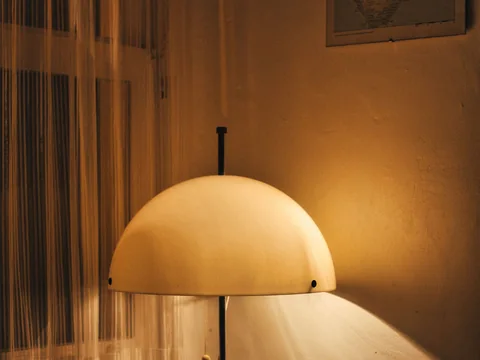
The underside matters. With some fittings you see a diffuser; with others you see the bulb or several bright points. A shade can be the right size and still be uncomfortable from a particular chair. Ask to see the lit fitting from below at an angle resembling the seated view.
Think beyond dinner
Many tables also hold laptops, homework, sewing or a weekend newspaper. A strongly downward beam may make the centre bright while leaving the places near the edge relatively dim. A broad diffuser can spread light differently. Consider the table's jobs rather than choosing only for the photograph of a set dinner table.
Do not expect a dramatic pendant to illuminate the entire room. Light elsewhere may still be needed for cupboards, circulation and tidying. Those supporting lights can allow the pendant to be less intense during meals without leaving the path to the kitchen difficult to see.
For a dimming arrangement, choose the light source and controls together with the manufacturer's compatibility information and the electrician's advice. Some fittings have integrated LEDs and their own requirements. A familiar-looking wall control is not evidence that every replacement pendant will dim properly with it.
Allow for real furniture and movement
Measure with the actual tabletop height, not a standard figure from a diagram. Then think about people standing up, leaning across to serve and moving a vase. A low pendant above a table is different from a low pendant above a walking route. The furniture must stay where the fitting was planned to be safe and useful.
If the table often moves against the wall, a large low fitting can become an obstacle in the newly open floor area. A higher, more compact arrangement or a different type of lighting may fit that habit better. Do not build a fixed scheme around a furniture position you already know will change every weekend.
Keep tall centrepieces in the discussion. Flowers can block faces on their own, then compete with a pendant above. Test an ordinary meal arrangement with the serving dishes you use, allowing space for food rather than reserving the whole centre for decoration.
Make the final decision in the room
Before installation, agree the proposed position and height with the installer while the table and chairs are in place. There is no universal hanging dimension that can account for every shade, ceiling, person and table. Use any manufacturer's guidance as a requirement and assess the remaining choices in context.
A successful dining light is noticeable when you enter and easy to forget when you sit down. It brings the table into focus while leaving conversation, movement and the changing uses of the room uncomplicated.