Put the intended contents together
Gather representative items or write down their measurements. Dinner plates need shelf depth and a comfortable way to lift a stack. A serving platter may be wider than the opening between hinges. Folded tablecloths need a different compartment from a tall vase, and board-game boxes may not fit a cabinet designed around crockery.
Count how much of each group you actually own. A sideboard with many shallow drawers may look organised but be unsuitable for a collection of large bowls. Conversely, one deep cupboard can waste space around small objects unless its shelves can be adjusted. The external size does not reveal how the inside is divided.
Look for internal measurements in the product information. If they are missing, ask the retailer about usable shelf width, depth and height, plus the opening size. The frame, doors and hinges all consume some of the space suggested by the exterior dimensions. This matters most when an item is close to the limit.
Match the compartments to the work
Drawers suit objects that are easier to see from above: cutlery, placemats, small stationery or napkin rings. Check their extension and internal depth. A short drawer that does not open far can leave the back difficult to use, while a deep drawer may encourage unrelated objects to pile together.
Cupboards suit larger stacks and upright items, but shelves should support the intended weight. Follow the manufacturer's load limits rather than judging by the appearance of the timber. If heavy tableware is the main purpose, confirm that the shelves and supports are designed for it.
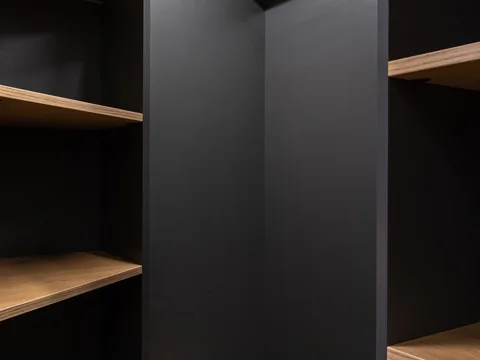
Adjustable shelves offer useful flexibility, although not every possible position leaves the same clearance around hinges. Check whether a shelf can be removed and replaced after the cabinet is assembled. A fixed central division may prevent a long platter from fitting even when the overall width looks generous.
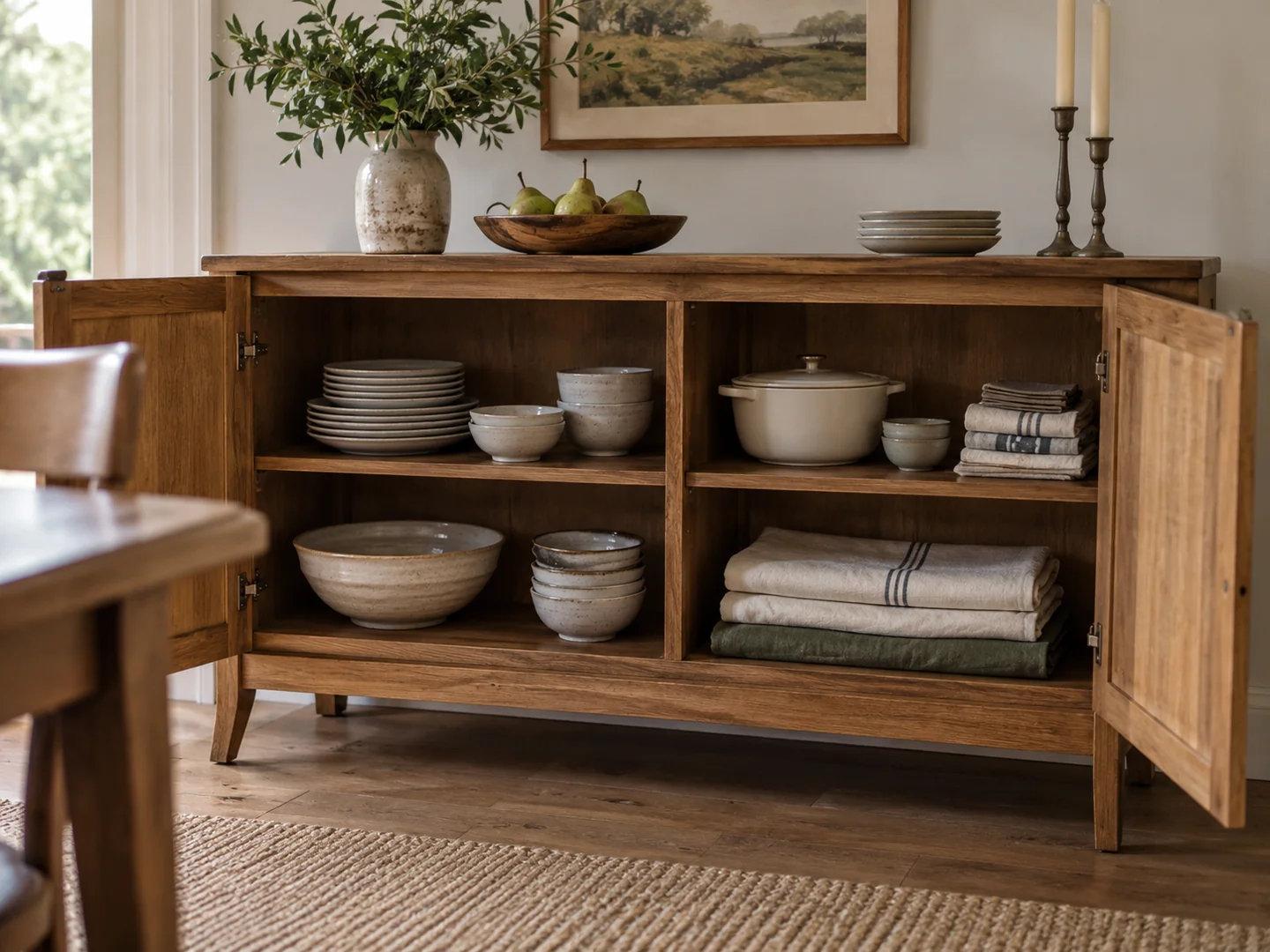
Take a simple example: a collection of everyday plates, two tall pitchers and a long serving platter might work best with one low shelf for plate stacks, one taller compartment and a place for the platter to sit securely. Three identical shelf gaps could accommodate the plates while wasting height or excluding the pitchers. The exercise is not about creating a bespoke compartment for every object. It is about noticing which few dimensions control the interior so the cabinet can handle the whole collection without awkward compromises.
Check the sideboard in use
Mark the full depth against the wall, allowing for skirting and handles. Then open the doors or drawers on the plan and leave room for a person to stand. In a dining room, this often shares space with a chair pulled back from the table. Test both together rather than treating them as separate layouts.
Consider where objects go while you retrieve something behind them. If a cupboard requires several pieces to be set down, a clear top nearby can help. But the top should not become permanently filled with display objects if you need it as a working surface for serving or sorting.
The height matters for the things you do at the top. A low unit may be comfortable for placing dishes, while a tall piece can be harder to use as a serving surface. Try a similar height at home. Avoid choosing solely from a front photograph in which the furniture has no person beside it for scale.
Decide how it belongs to the room
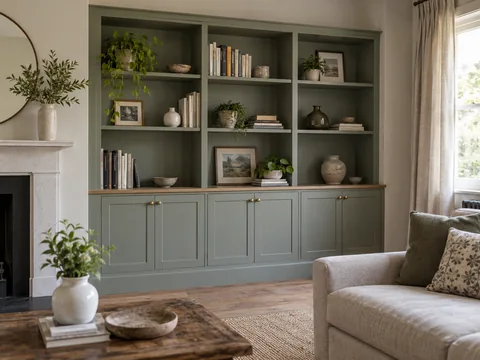
A long, low sideboard can anchor a wall and leave space above for artwork. A taller compact cupboard may provide more capacity on a shorter wall. Compare both if the room is narrow; floor depth can matter more than height when the piece faces a dining chair or sofa.
Follow the product's installation and anchoring instructions, including any requirements that apply to freestanding furniture. Check the wall and skirting before delivery so the unit can be installed correctly. A piece should not be left unsecured simply because its proportions appear stable.
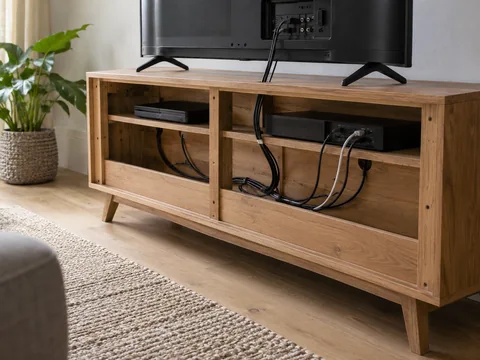
Hardware can change the daily experience. Recessed pulls may reduce projection into a route, while small knobs can be awkward for some hands. Push-open mechanisms need the door face to remain accessible. Try the opening action if possible, especially for a cabinet used several times a day.
Leave room for change
Choose a little flexibility where the contents may change, such as one adjustable compartment. There is no need to buy excessive capacity for an imagined future collection, but a cabinet divided into very specific tiny spaces can be difficult to repurpose.
After arranging the contents, use the sideboard for a week before buying internal organisers. You may discover that a simple shelf division is enough or that one tray would solve a particular problem. Organisers should improve access, not consume the very space the cabinet was bought to provide.
If the doors begin hiding a mixed accumulation rather than the intended contents, reconsider the categories before adding another unit. A sideboard is most useful when its location and interior make sense together: dining items near the table, work materials near the desk, or games near the sitting area where they are played.