Lighting
Give a dark corner a purpose before adding a lamp
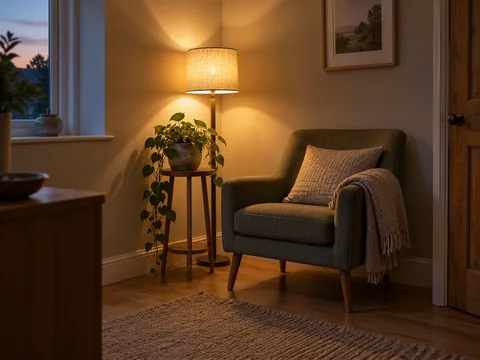
A neglected corner might need a reading spot, a place to put things down or simply to remain quiet. Its use tells you what light belongs there.
Rooms, materials & everyday details
Think about where light falls, what you see from a seat and how a room changes after dark.
24 articles · Page 2 of 3
Lighting
A neglected corner might need a reading spot, a place to put things down or simply to remain quiet. Its use tells you what light belongs there.
Lighting
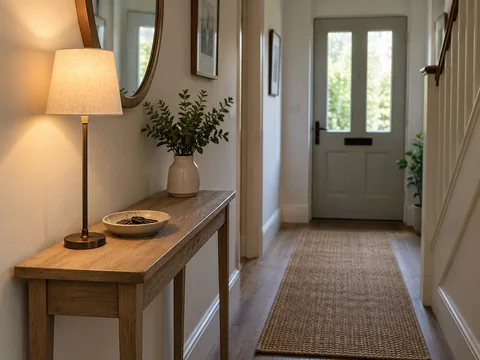
A hall console is a working surface. Choose a lamp that makes the entrance legible while leaving space for keys, post and the door's movement.
Lighting
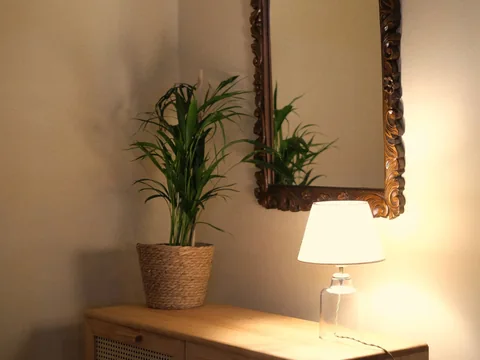
A mirror can reveal a bulb that the shade hides from direct view. Check reflections from the sofa, the doorway and the table before fixing positions.
Lighting
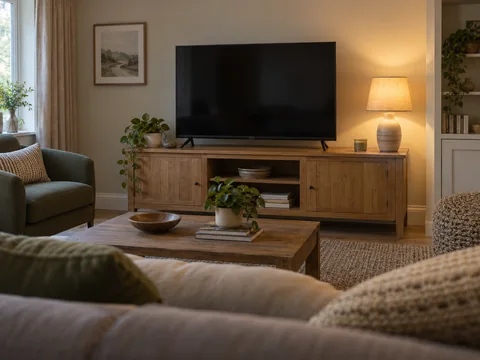
The television reflects the room as well as showing a picture. Find the offending reflection from the sofa, then move the light rather than chasing screen settings.
Lighting
A fabric sample chosen by a shop window may look different beneath your evening lamps. Bring the material and the light together before ordering.
Lighting
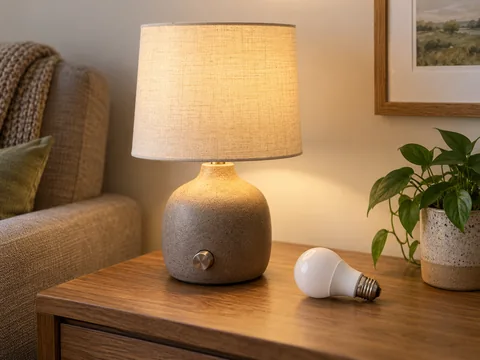
A dimmable bulb is one part of a compatible system. Check the lamp and control as well as the label on the replacement.
Lighting
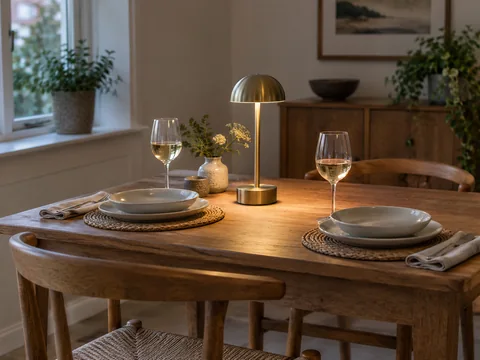
A rechargeable lamp is useful where a cable would interrupt a tabletop or walkway. Its charging routine still needs a place in the room.
Lighting
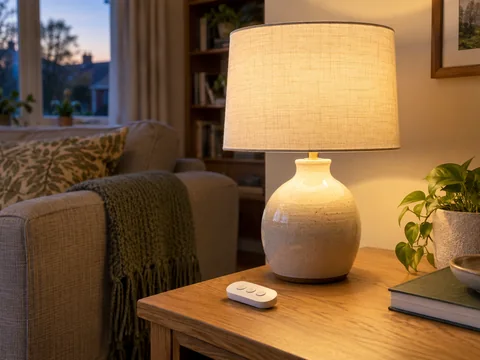
A connected lamp should still be straightforward for someone without the app. Decide how the room will be controlled before adding routines.
Lighting
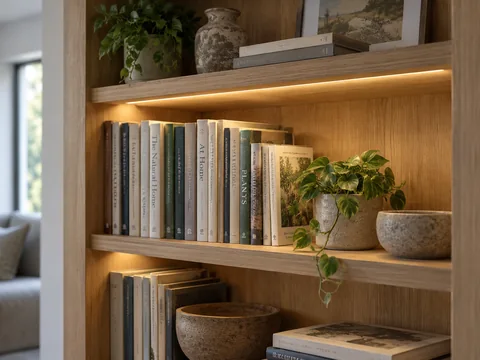
Shelf lighting looks calmer when you see the books and objects rather than a row of bright dots. Plan the view, the compatible components and the cable route together.